
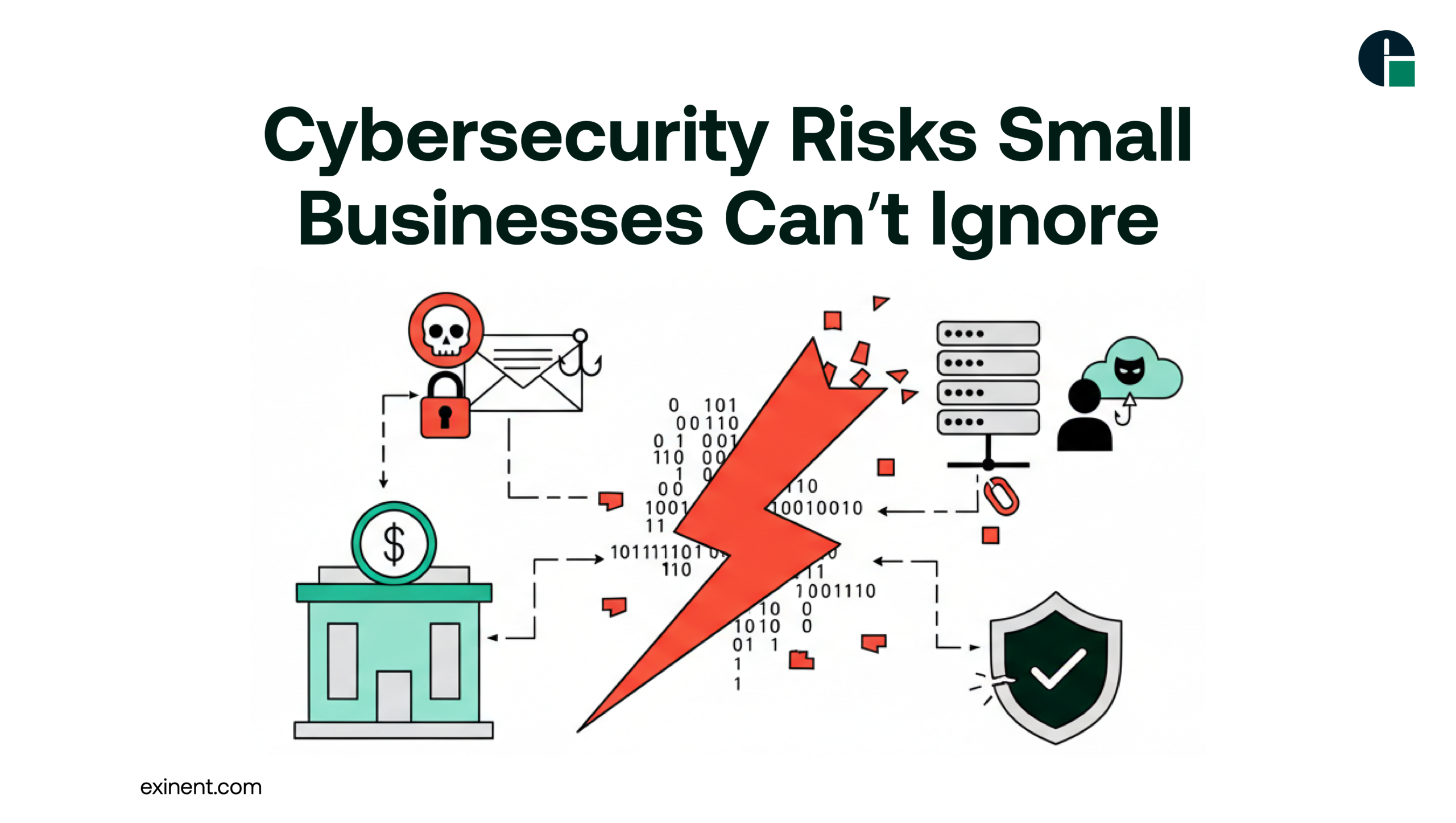
Cybersecurity is no longer a concern only for large enterprises. Small and mid-sized businesses are increasingly targeted by cybercriminals because they often lack advanced security infrastructure. A single data breach, ransomware attack, or phishing scam can disrupt operations, damage reputation, and result in severe financial losses.
In today’s digital-first environment where businesses rely on cloud platforms, remote work, eCommerce systems, and digital payments cyber risks are growing rapidly. Understanding these risks and implementing proactive security measures is essential for business continuity and long-term success.
Why Cybersecurity Matters for Small Businesses
Many small business owners assume they are “too small” to be targeted. Unfortunately, that belief creates vulnerability.
Key Reasons Cybersecurity Is Critical:
- Protects sensitive customer and financial data
- Prevents costly downtime and operational disruption
- Maintains brand reputation and customer trust
- Ensures regulatory compliance
- Safeguards intellectual property
Even a few hours of downtime can impact revenue, especially for online businesses. Cybersecurity is not just an Managed IT Services issue—it’s a business survival strategy.
Top Cybersecurity Risks Small Businesses Can’t Ignore
1. Phishing Attacks
Phishing remains one of the most common threats. Employees receive emails that appear legitimate but contain malicious links or attachments. Once clicked, attackers gain access to credentials or systems.
Example:
A finance employee receives a fake email that appears to be from a supplier requesting urgent payment. The payment is processed before verification—resulting in financial loss.
2. Ransomware
Ransomware encrypts business data and demands payment for its release. Small businesses are frequent targets because attackers assume limited backup systems are in place.
Consequences include:
- Loss of access to critical systems
- Financial extortion
- Permanent data loss
- Extended downtime
3. Weak Passwords and Credential Theft
Using simple passwords or reusing them across multiple systems increases vulnerability. Cybercriminals use automated tools to crack weak credentials.
Common issues:
- No multi-factor authentication (MFA)
- Shared employee logins
- Lack of password policies
4. Unsecured Wi-Fi and Remote Work Risks
Remote and hybrid work environments introduce new vulnerabilities. Employees using public Wi-Fi or unsecured home networks can expose company systems to attackers.
Without VPNs and endpoint security, businesses face increased exposure.
5. Insider Threats
Not all threats come from outside. Disgruntled employees or careless staff members can accidentally (or intentionally) compromise sensitive information.
Examples include:
- Sharing confidential files externally
- Downloading unauthorized software
- Failing to follow security protocols
6. Outdated Software and Systems
Unpatched software creates open doors for hackers. Many small businesses delay updates due to operational concerns, but outdated systems are prime targets.
Regular patch management is critical to reducing vulnerabilities.
Challenges Small Businesses Face in Cybersecurity
While the risks are clear, small businesses often struggle with:
Limited Budget
Enterprise-level cybersecurity tools can be expensive. Small companies may lack resources for in-house security teams.
Lack of Awareness
Employees may not recognize phishing attempts or suspicious activity.
Complexity of IT Infrastructure
Cloud applications, third-party integrations, and remote devices create multiple entry points for attackers.
Rapidly Evolving Threat Landscape
Cyber threats evolve constantly, making it difficult to stay ahead without expert support.
Benefits of Proactive Cybersecurity Measures
Investing in cybersecurity provides measurable advantages:
- Reduced risk of financial loss
- Stronger customer trust and credibility
- Regulatory compliance assurance
- Improved operational stability
- Competitive advantage in digital markets
Businesses that demonstrate strong security practices often attract more customers and partnerships.
Cybersecurity Best Practices for Small Businesses
Here are expert-recommended strategies to strengthen protection:
1. Implement Multi-Factor Authentication (MFA)
MFA adds an extra layer of security beyond passwords, significantly reducing unauthorized access.
2. Conduct Regular Employee Training
Human error is a leading cause of breaches. Train employees to:
- Identify phishing emails
- Avoid suspicious downloads
- Follow secure data handling practices
3. Use Advanced Endpoint Protection
Install antivirus, firewall, and endpoint detection tools on all devices accessing company systems.
4. Regular Data Backups
Maintain automated, secure backups stored offsite or in the cloud. Test recovery processes regularly to ensure business continuity.
5. Keep Software Updated
Enable automatic updates for operating systems, plugins, and applications to eliminate vulnerabilities.
6. Partner with IT Security Experts
Outsourcing cybersecurity can be cost-effective and efficient. Professional providers offer monitoring, threat detection, compliance support, and incident response.
For businesses looking to strengthen protection without expanding internal IT teams, professional Managed IT Services provide 24/7 monitoring, risk assessment, and proactive threat management.
Stay Ahead of Cyber Threats
Cybersecurity risks for small businesses are real and growing. The truth is that attackers do not discriminate based on company size — they look for weaknesses. Whether it’s phishing, weak passwords, ransomware, or untrained staff, the threats are numerous and can have serious financial and legal consequences.
By understanding these risks and implementing layered defenses — including strong user policies, reliable backups, network security, and expert Managed IT Services — small businesses can significantly reduce their vulnerability.
Cybersecurity isn’t a one-time investment. It’s a continuous process of awareness, training, and improvement. Protecting your business data and systems protects your reputation, your customers, and your future.
FAQ’S :
What are the biggest cybersecurity risks small businesses can’t ignore today?
The biggest risks include phishing attacks, ransomware, weak passwords, insider threats, and unsecured Wi-Fi networks. Over 40% of cyberattacks target small businesses. Many lack dedicated IT security, making them easier targets. Even one breach can result in financial loss, legal penalties, and reputational damage.
Why are small businesses more vulnerable to cyberattacks than large companies?
Small businesses often have limited cybersecurity budgets and outdated systems. Many do not use multi-factor authentication (MFA) or regular security updates. Hackers target them because they are easier to breach compared to enterprises with advanced security tools. Lack of employee training also increases risk.
How does a phishing attack affect a small business?
A phishing attack tricks employees into clicking malicious links or sharing login credentials. This can lead to data theft, ransomware infections, or unauthorized bank transfers. In many cases, a single compromised email account can expose customer data. Phishing remains one of the top causes of small business data breaches.
What is ransomware and how can it shut down a small company?
Ransomware is malicious software that encrypts business data until a ransom is paid. Small businesses can lose access to files, customer records, and financial systems. Recovery can take days or weeks without proper backups. The average ransom demand can range from hundreds to thousands of dollars.
How much can a cybersecurity breach cost a small business?
The average cost of a small business data breach can range from $120,000 to $1 million depending on severity. Costs include downtime, legal fees, regulatory fines, and customer compensation. Some businesses shut down within six months of a major attack. Prevention is usually far cheaper than recovery.
What are the warning signs of a cyberattack on a small business network?
Common signs include slow systems, unknown software installations, password changes, and suspicious login alerts. You may also notice unusual outgoing emails or locked files. Immediate action is critical to prevent further damage. Monitoring tools can help detect these threats early.
What are the best cybersecurity practices for small businesses?
Key practices include using strong passwords, enabling multi-factor authentication, installing firewalls, and updating software regularly. Regular employee cybersecurity training reduces human error risks. Businesses should also perform daily data backups and conduct security audits at least once a year.
How can small businesses create a simple cybersecurity plan?
Start with a risk assessment to identify vulnerabilities. Implement security tools like antivirus software, firewalls, and encrypted backups. Train employees on phishing awareness and safe browsing. Finally, create an incident response plan to handle breaches quickly and effectively.