
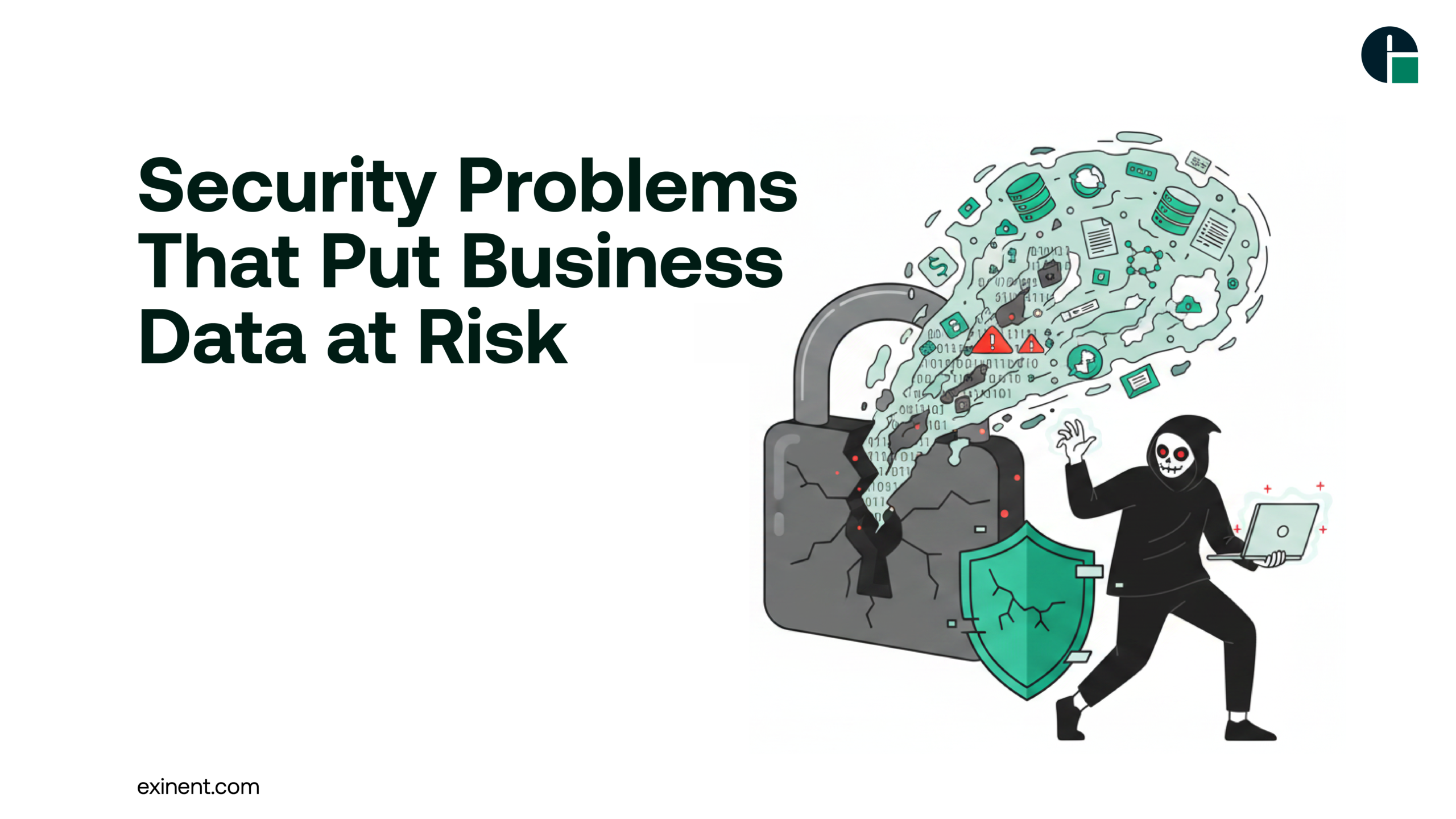
Businesses face multiple IT security challenges such as weak passwords, outdated systems, phishing attacks, and poor access controls. These vulnerabilities can expose sensitive company and customer data to cybercriminals. Implementing strong cybersecurity practices, regular monitoring, and professional IT management can significantly reduce these risks.
Overview of IT Security Risks in Modern Businesses
In today’s digital world, business data is one of the most valuable assets an organization owns. From customer records and financial information to intellectual property and operational data, everything is stored and processed digitally. While technology improves efficiency and productivity, it also introduces serious security risks.
Cybercriminals constantly target businesses of all sizes, looking for vulnerabilities in IT systems. Unfortunately, many organizations underestimate the importance of cybersecurity until a breach occurs. Data leaks, ransomware attacks, and system disruptions can lead to financial loss, reputational damage, and regulatory penalties.
Understanding the most common IT security problems is the first step toward protecting your business. With the right strategies and technology in place, companies can reduce threats and build a secure IT environment.
Why Protecting Business Data Matters
Strong IT security provides several important benefits for organizations:
- Protects sensitive information such as customer data, financial records, and intellectual property
- Prevents financial losses caused by fraud, ransomware, or operational downtime
- Maintains customer trust and brand reputation
- Ensures regulatory compliance with data protection laws
- Supports business continuity during cyber incidents
Without effective cybersecurity measures, organizations risk severe damage to their operations and reputation.
Common IT Security Problems That Put Business Data at Risk
1. Weak Passwords and Poor Authentication
One of the most common security issues is weak password management. Employees often reuse simple passwords across multiple systems, making it easier for hackers to gain unauthorized access.
Risks include:
- Unauthorized system access
- Compromised employee accounts
- Data theft and identity misuse
Implementing multi-factor authentication (MFA) and strong password policies can significantly improve security.
2. Outdated Software and Systems
Software vendors frequently release security patches to fix vulnerabilities. Businesses that fail to update their systems remain exposed to known threats.
Common problems include:
- Unsupported operating systems
- Unpatched software vulnerabilities
- Legacy infrastructure with security gaps
Regular system updates and patch management are essential to protect business networks.
3. Phishing and Social Engineering Attacks
Phishing attacks trick employees into revealing sensitive information such as login credentials or financial data.
Cybercriminals often impersonate trusted organizations or colleagues through emails, messages, or fake websites.
Common phishing targets include:
- Email login credentials
- Payment information
- Corporate network access
Employee awareness training can help prevent these attacks.
4. Lack of Data Backup and Recovery Plans
Without proper backups, businesses risk losing critical data due to ransomware attacks, hardware failures, or accidental deletions.
Reliable data backup systems ensure that organizations can quickly restore operations after an incident.
Best practices include:
- Automated daily backups
- Offsite or cloud backup storage
- Regular disaster recovery testing
5. Insufficient Network Security
Unsecured networks can allow attackers to infiltrate business systems.
Common network security weaknesses include:
- Misconfigured firewalls
- Unsecured Wi-Fi networks
- Lack of network monitoring
Modern businesses must implement advanced security solutions such as firewalls, intrusion detection systems, and continuous network monitoring.
Benefits of Strong IT Security
Implementing effective cybersecurity measures offers multiple advantages for businesses.
Key benefits include:
- Protection of sensitive customer and company data
- Reduced risk of cyberattacks and financial losses
- Compliance with data protection regulations
- Improved customer trust and brand reputation
- Greater operational stability and business continuity
Organizations that prioritize cybersecurity are better prepared to handle evolving threats.
Key Challenges Businesses Face in IT Security
Despite the importance of cybersecurity, many organizations struggle to maintain strong protection.
Limited IT Expertise
Small and medium-sized businesses often lack dedicated cybersecurity professionals.
Budget Constraints
Attack methods are constantly evolving, making it difficult for businesses to keep up with the latest security strategies.
Increasing Cyber Threats
Advanced cybersecurity tools and monitoring systems require investment that some companies hesitate to make.
Remote Work Security Risks
With remote and hybrid work environments, employees access company systems from multiple devices and networks, increasing the potential attack surface.
These challenges highlight the need for proactive IT security management.
Solutions and Best Practices to Protect Business Data
Businesses can significantly improve their cybersecurity posture by implementing the following best practices.
1. Implement Strong Access Controls
Limit access to sensitive data based on employee roles and responsibilities.
2. Use Multi-Factor Authentication
Adding an extra layer of authentication helps prevent unauthorized access even if passwords are compromised.
3. Regular Security Audits
Periodic security assessments help identify vulnerabilities before attackers exploit them.
4. Employee Cybersecurity Training
Educating staff about phishing, password security, and safe online practices reduces human error.
5. Continuous Monitoring and Threat Detection
Proactive monitoring helps detect suspicious activities and prevent breaches.
Many organizations rely on professional Managed IT Services providers to monitor systems, manage security infrastructure, and respond quickly to potential threats.
Conclusion
IT security threats are evolving rapidly, and businesses must stay ahead of cybercriminals to protect their valuable data. Phishing attacks, ransomware, weak passwords, outdated software, and insider threats remain the most common vulnerabilities affecting organizations today.
By implementing strong cybersecurity policies, training employees, and leveraging professional IT services, businesses can significantly reduce their risk of data breaches. Proactive security measures not only protect business data but also strengthen customer trust and ensure long-term operational stability.
FAQ’S :
What are the most common IT security problems that put business data at risk?
Common risks include weak passwords, outdated software, phishing attacks, unsecured networks, and lack of backups. Human error accounts for nearly 80–90% of data breaches. Small businesses are especially vulnerable due to limited security controls.
How do cyberattacks like phishing and ransomware affect business data security?
Phishing tricks employees into revealing credentials, while ransomware locks or steals data for payment. These attacks can cause downtime, financial loss, and data leaks. In many cases, recovery can take days or even weeks without proper backups.
Why is outdated software a major security risk for companies?
Outdated software contains unpatched vulnerabilities that hackers exploit easily. Over 60% of breaches are linked to known vulnerabilities with available fixes. Regular updates and patch management reduce this risk significantly.
How does weak password management put sensitive business data in danger?
Weak or reused passwords make it easy for attackers to gain unauthorized access. Brute-force attacks and credential stuffing are common methods used. Using strong passwords and multi-factor authentication (MFA) can block most attacks.
What role does Managed IT Services play in preventing data security issues?
Managed IT Services monitor systems 24/7, apply security patches, and detect threats early. They also implement firewalls, backups, and endpoint protection. This reduces risks and ensures faster response to incidents.
How can unsecured networks expose business data to cyber threats?
Unsecured Wi-Fi or networks allow attackers to intercept data and access systems. Public or poorly configured networks increase the risk of data theft. Using VPNs, encryption, and secure configurations helps protect data.
What are the risks of not having a proper data backup and recovery plan?
Without backups, businesses can permanently lose data after cyberattacks or system failures. Nearly 60% of companies shut down within six months of major data loss. Regular automated backups ensure quick recovery.
How much does it cost to fix a data breach for a small or mid-sized business?
The average cost of a data breach can range from $50,000 to over $1 million depending on severity. Costs include recovery, legal fees, fines, and reputation damage. Preventive security measures are far more cost-effective.
What are the best practices to protect business data from IT security threats?
Use strong passwords, enable MFA, update software regularly, and train employees on cybersecurity. Implement firewalls, encryption, and endpoint protection. Regular security audits and monitoring improve overall protection.
Is investing in Managed IT Services worth it for small businesses?
Yes, it helps reduce security risks, improve system uptime, and lower long-term costs. Businesses gain expert support without hiring a full in-house team. It’s ascalable solution for maintaining strong data security.