
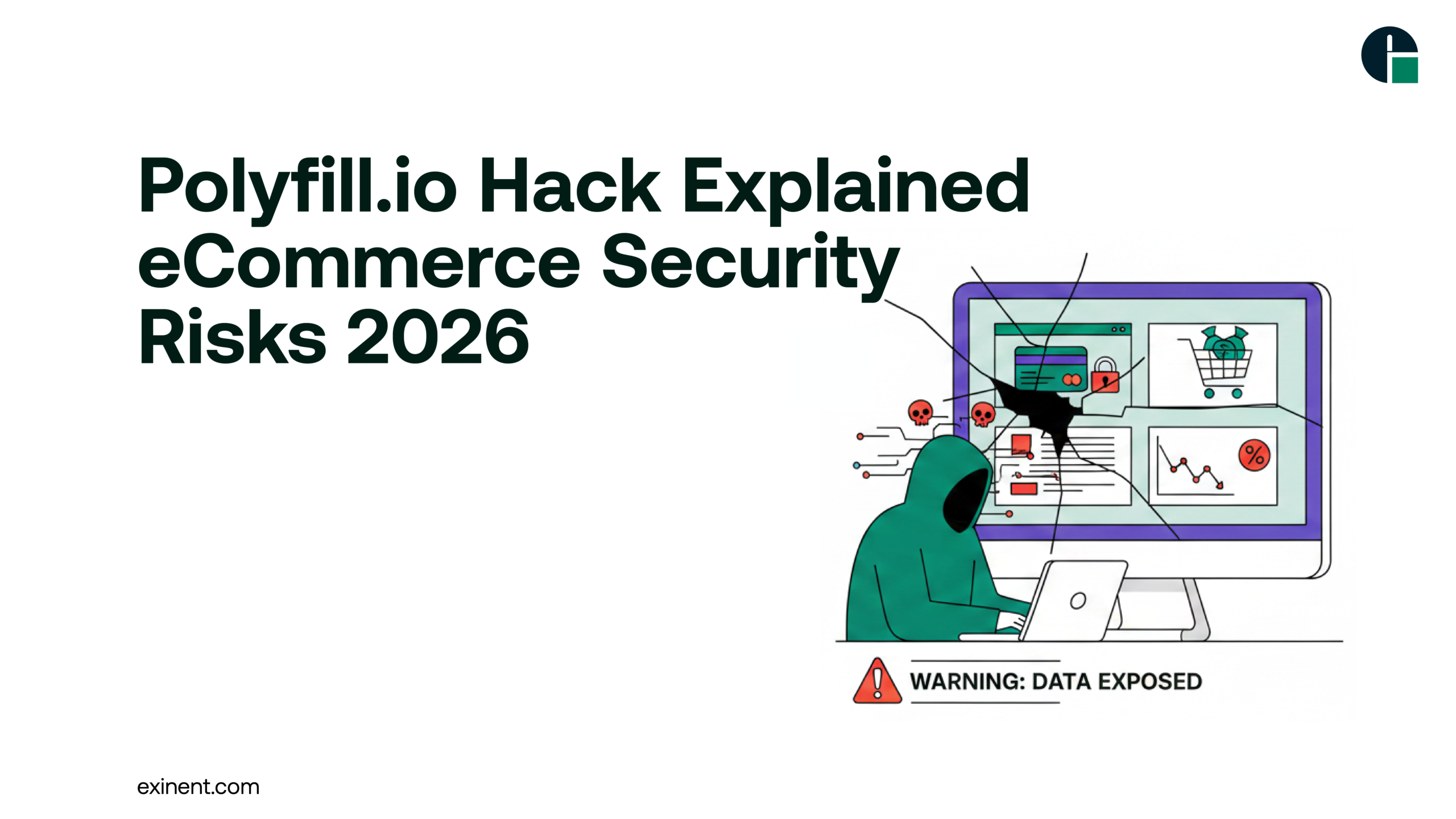
Cybersecurity threats are evolving rapidly, and supply chain attacks are becoming one of the most dangerous risks for modern websites. One recent example is the Polyfill.io hack, which has exposed serious vulnerabilities in thousands of websites worldwide.
For eCommerce businesses, the risk is even higher. Online stores handle sensitive customer data, payment details, and transactions—making them prime targets for attackers. This blog explains the Polyfill.io breach, why it matters, and how eCommerce websites can protect themselves.
What Is the Polyfill.io Hack?
Polyfill.io is a widely used JavaScript service that helps websites ensure compatibility across different browsers. Instead of hosting scripts locally, many websites rely on a third-party CDN (Content Delivery Network) to load polyfills dynamically.
In the Polyfill.io incident, attackers gained control of the service and injected malicious code into the scripts being served. This meant that any website loading scripts from the compromised source unknowingly exposed users to:
- Data theft
- Malware injection
- Redirects to harmful websites
Why This Is Dangerous
Unlike traditional hacks, this was a supply chain attack—meaning the vulnerability came from a trusted external service rather than the website itself.
Why eCommerce Websites Are at High Risk
1. Handling Sensitive Customer Data
eCommerce platforms store:
- Personal customer information
- Payment and billing details
- Login credentials
A compromised script can intercept this data in real time.
2. Heavy Use of Third-Party Scripts
Online stores rely on multiple external tools, including:
- Payment gateways
- Analytics tools
- Marketing scripts
Each external script increases the attack surface.
3. High Transaction Volume
The more transactions a site processes, the more attractive it becomes to attackers. Even a short breach window can cause massive damage.
4. Trust and Brand Impact
A single security incident can:
- Damage customer trust
- Reduce conversions
- Lead to long-term revenue loss
Impact of the Polyfill.io Attack
The consequences of the Polyfill.io hack extend beyond technical issues. Businesses experienced:
Immediate Effects:
- Website redirections to spam or malicious domains
- Degraded user experience
- Increased bounce rates
Long-Term Risks:
- SEO ranking drops due to unsafe content
- Blacklisting by browsers or search engines
- Legal and compliance issues
Benefits of Understanding and Addressing the Risk
While the Polyfill.io hack is alarming, it also highlights opportunities for businesses to strengthen their security posture.
Improved Security Awareness
Understanding such attacks helps teams:
- Identify vulnerabilities early
- Monitor external dependencies
Stronger Infrastructure
Implementing best practices leads to:
- Safer code management
- Better system resilience
Increased Customer Trust
A secure website builds confidence and improves long-term customer relationships.
Key Challenges in Preventing Supply Chain Attacks
Lack of Visibility
Many businesses don’t track all third-party scripts running on their site.
Dependency Risks
Even trusted services can become compromised.
Limited Internal Expertise
Small to mid-sized businesses often lack dedicated cybersecurity teams.
Delayed Updates
Failure to update scripts or dependencies increases exposure to known vulnerabilities.
Best Practices to Protect Your eCommerce Website
1. Remove Polyfill.io Immediately
If your website is still using Polyfill.io, replace it with safer alternatives such as:
- Self-hosted polyfills
- Trusted CDN providers
2. Audit Third-Party Scripts
Regularly review all external scripts on your website:
- Identify unused or outdated scripts
- Remove unnecessary dependencies
- Verify the authenticity of sources
3. Implement Content Security Policy (CSP)
CSP helps restrict which scripts can run on your website. This minimizes the risk of unauthorized code execution.
4. Use Subresource Integrity (SRI)
SRI ensures that external files have not been tampered with. It verifies the integrity of scripts before execution.
5. Monitor Website Activity
Use monitoring tools to detect unusual behavior such as:
- Unexpected redirects
- Changes in script behavior
- Traffic anomalies
6. Partner with Experts
Working with a professional Magento Development Company can help you:
- Identify vulnerabilities
- Implement advanced security measures
- Ensure ongoing maintenance and updates
Conclusion
The Polyfill.io hack serves as a wake-up call for eCommerce businesses. Relying on third-party scripts without proper oversight can expose your website to serious risks.
By auditing dependencies, implementing security best practices, and staying proactive, businesses can significantly reduce their exposure to such attacks.