
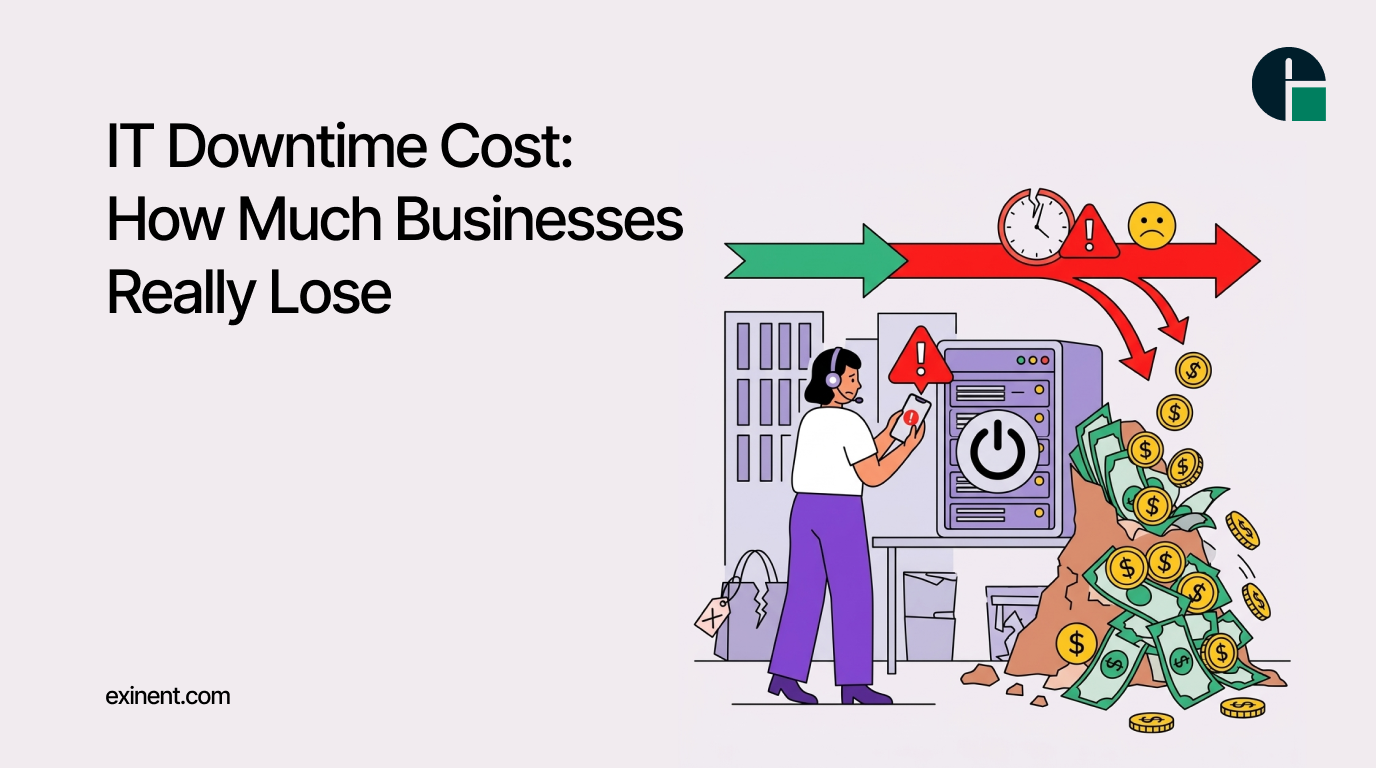
In today’s digital-first business environment, technology is the backbone of nearly every operation. From communication and customer service to sales and data management, organizations rely heavily on IT systems to function efficiently. However, when those systems fail, the consequences can be severe. IT downtime is more than just an inconvenience—it can lead to significant financial losses, damaged customer relationships, and reduced employee productivity.
Understanding the true cost of IT downtime is essential for businesses of all sizes. By recognizing the risks and implementing proactive IT strategies, organizations can protect their operations and maintain business continuity.
What Is IT Downtime?
IT downtime refers to any period when critical technology systems, applications, networks, or services become unavailable or fail to perform as expected. Downtime can be planned, such as scheduled maintenance, or unplanned due to hardware failures, software issues, cyberattacks, power outages, or human errors.
While some downtime may only last a few minutes, even brief disruptions can have a significant impact on business operations, especially for companies that rely heavily on digital services.
The Financial Impact of IT Downtime
One of the most immediate effects of downtime is lost revenue. When systems are unavailable, employees cannot perform their duties efficiently, customers may be unable to make purchases, and service delivery can come to a halt.
For example:
- E-commerce websites lose sales opportunities when customers cannot access their stores.
- Financial institutions may experience interrupted transactions.
- Healthcare providers may struggle to access patient records.
- Manufacturing companies may face production delays.
The longer the outage lasts, the greater the financial impact. Businesses often underestimate these costs because they focus only on direct revenue losses while overlooking indirect expenses.
Productivity Losses Across Teams
When technology systems fail, employees often cannot perform their daily responsibilities effectively. This creates a ripple effect throughout the organization.
Common productivity losses include:
- Inability to access files and applications
- Communication disruptions
- Delayed customer responses
- Interrupted workflows
- Missed project deadlines
Imagine a team of 50 employees unable to access essential business software for several hours. The cumulative loss of productive work time can quickly become more expensive than the actual technical issue causing the outage.
Businesses that invest in proactive monitoring and Managed IT Services often reduce downtime significantly by identifying and resolving issues before they affect operations.
Customer Trust and Reputation Damage
Modern customers expect businesses to be available 24/7. When websites, applications, or customer portals become unavailable, frustration grows quickly.
Repeated downtime incidents can cause customers to:
- Switch to competitors
- Leave negative reviews
- Cancel subscriptions
- Lose confidence in the business
Rebuilding trust after a major outage can take months or even years. For businesses operating in highly competitive industries, reputation damage may be one of the most expensive consequences of downtime.
Hidden Costs Businesses Often Ignore
1. Lost Employee Productivity
When systems are unavailable, employees are often unable to complete their tasks. They may spend valuable time waiting for systems to recover or attempting temporary workarounds.
Even if employees remain on the clock, productivity drops significantly, resulting in wasted labor costs and missed deadlines.
2. Customer Dissatisfaction
Customers expect reliable service and quick access to information. Frequent outages can frustrate users, causing them to lose confidence in your business.
A poor customer experience can lead to:
- Increased support requests
- Negative reviews
- Customer churn
- Reduced brand loyalty
In highly competitive markets, customers may quickly switch to a competitor after experiencing service disruptions.
3. Data Loss and Recovery Expenses
Some downtime incidents involve data corruption or loss. Recovering critical information may require specialized expertise, backup restoration, or even third-party recovery services.
These recovery efforts can become expensive and may still fail to restore all lost information.
4. Compliance and Regulatory Risks
Organizations operating in regulated industries must meet strict compliance requirements regarding data availability and security.
Extended downtime can result in:
- Regulatory penalties
- Compliance violations
- Legal liabilities
- Audit failures
These consequences can further increase the overall cost of an outage.
Cybersecurity Threats Increase Downtime Risks
Modern cyberattacks are among the leading causes of unexpected downtime. Ransomware attacks, malware infections, and distributed denial-of-service (DDoS) attacks can cripple business operations for hours or even days.
Cybercriminals specifically target organizations that lack strong security measures because they are more vulnerable to operational disruptions.
Working with professional Managed IT Services providers can help businesses strengthen security defenses, monitor systems around the clock, and respond quickly to threats before they escalate into major outages.
How Managed IT Services Reduce Downtime
Prevention is always more cost-effective than recovery. Businesses that invest in proactive IT management experience fewer outages and faster resolution times.
Key benefits include:
Proactive Monitoring
Continuous monitoring helps identify potential issues before they become critical failures. IT teams can address performance bottlenecks, hardware problems, and security vulnerabilities early.
Regular Maintenance
Routine updates, patch management, and system optimization improve reliability and reduce the likelihood of unexpected failures.
Backup and Disaster Recovery
Reliable backup solutions ensure that critical business data can be restored quickly if a disruption occurs.
Faster Incident Response
Professional IT support teams can respond immediately when problems arise, minimizing downtime and restoring operations as quickly as possible.
Many organizations rely on experienced Managed IT Services providers to maintain business continuity and ensure their technology infrastructure remains available and secure.
Calculating Your Downtime Costs
To estimate the cost of downtime, businesses should consider:
- Average revenue generated per hour
- Employee labor costs during outages
- Lost productivity
- Customer support expenses
- Recovery and remediation costs
- Potential regulatory penalties
- Reputational damage
For example, if a company generates $10,000 per hour in revenue and experiences a four-hour outage, direct revenue losses alone could exceed $40,000. Once indirect costs are included, the actual financial impact may be much higher.
Best Practices for Minimizing Downtime
Businesses can significantly reduce downtime risks by implementing the following strategies:
- Regularly update software and hardware.
- Conduct routine security assessments.
- Maintain reliable data backups.
- Develop a comprehensive disaster recovery plan.
- Train employees on cybersecurity best practices.
- Monitor systems continuously.
- Partner with experienced IT professionals.
These measures help organizations identify potential issues early and respond more effectively when disruptions occur.
Conclusion
IT downtime is far more expensive than many businesses realize. Beyond lost revenue, organizations must contend with reduced productivity, customer dissatisfaction, security risks, and potential compliance issues. As businesses become increasingly dependent on technology, the cost of outages continues to rise.
Investing in proactive IT management, cybersecurity, and disaster recovery planning is essential for minimizing downtime and protecting business operations. Organizations that prioritize reliability and resilience are better positioned to maintain customer trust, improve operational efficiency, and achieve long-term success.
FAQ’S :
What is IT downtime and why does it cost businesses money?
IT downtime occurs when systems, networks, applications, or services become unavailable. During downtime, employees may be unable to work, customers cannot access services, and sales can be lost. The longer the outage lasts, the higher the financial impact on the business.
How much does IT downtime cost a business per hour?
The cost varies by company size and industry. Small businesses may lose hundreds to thousands of dollars per hour, while larger enterprises can lose tens of thousands or more. Costs include lost productivity, missed revenue, and recovery expenses.
What are the biggest hidden costs of IT downtime?
Hidden costs include employee idle time, customer dissatisfaction, reputation damage, and delayed projects. Businesses may also face compliance penalties, overtime costs, and lost future sales. These indirect costs often exceed the immediate financial losses.
How does IT downtime affect customer trust and business reputation?
Frequent outages can frustrate customers and reduce confidence in a company’s reliability. Customers may switch to competitors if services are unavailable for extended periods. Over time, downtime can negatively impact brand reputation and customer retention.
What are the most common causes of IT downtime?
Common causes include hardware failures, software bugs, cyberattacks, human error, and network outages. Power failures and outdated infrastructure can also lead to unexpected downtime. Regular maintenance helps reduce these risks.
How can businesses calculate the cost of IT downtime?
A simple formula is: hourly revenue loss + employee productivity loss + recovery costs. Businesses should also estimate potential customer losses and reputational impact. Tracking previous incidents can improve cost estimates.
Can cloud services reduce IT downtime costs?
Yes, cloud services often provide built-in redundancy, backups, and high availability features. These capabilities help minimize service interruptions and speed up recovery. However, businesses still need proper configuration and disaster recovery planning.
What is the difference between planned and unplanned downtime?
Planned downtime occurs during scheduled maintenance or system upgrades. Unplanned downtime happens unexpectedly due to failures, cyberattacks, or other disruptions. Unplanned downtime is generally more expensive because it interrupts business operations without warning.
What are the best ways to prevent costly IT downtime?
Businesses should implement regular backups, proactive monitoring, cybersecurity protections, and disaster recovery plans. Keeping software updated and replacing aging hardware also helps reduce risks. Employee training can prevent downtime caused by human error.
Is investing in managed IT services worth it for reducing downtime?
Managed IT services can help identify and resolve issues before they become major outages. Providers offer continuous monitoring, maintenance, and technical support. For many businesses, the cost of managed services is lower than the potential losses from extended downtime.