
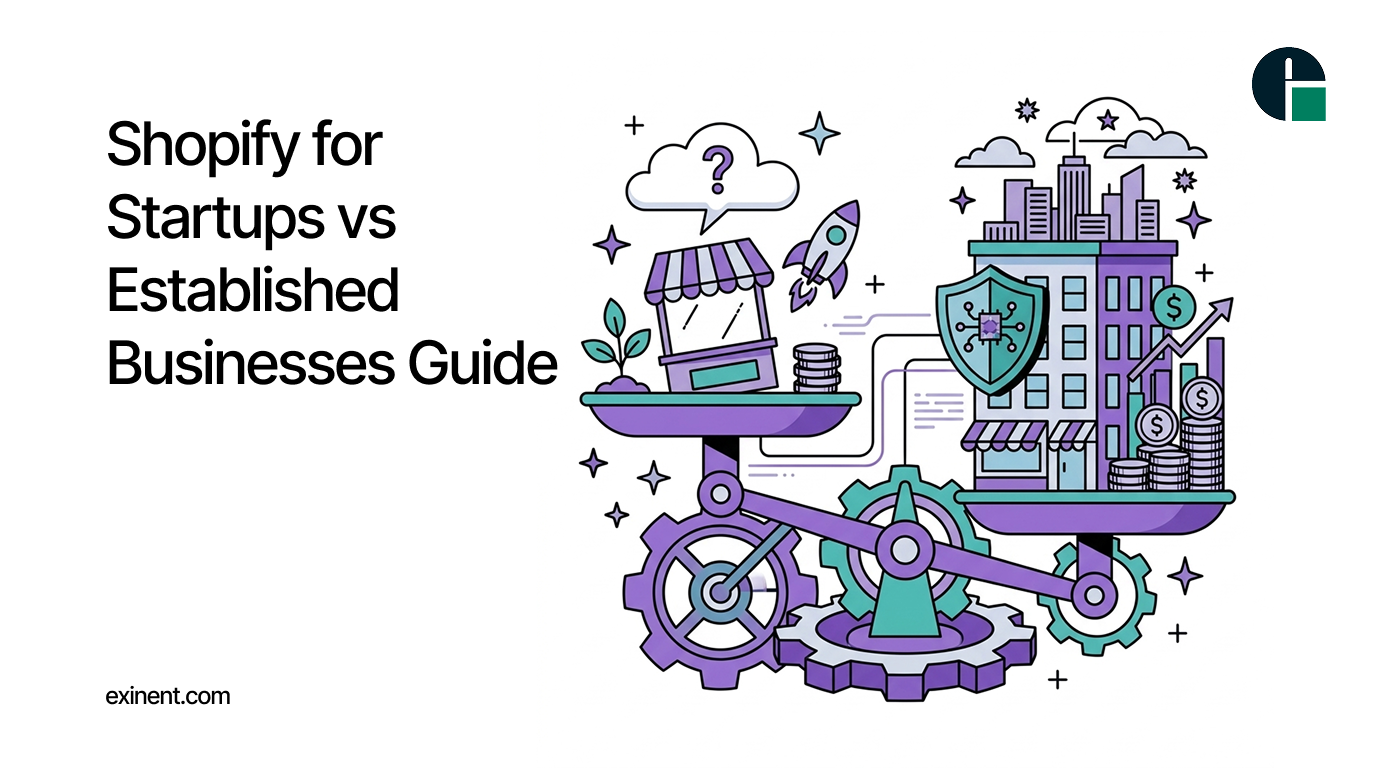
In today’s competitive eCommerce landscape, Shopify has become one of the most popular platforms for businesses of all sizes. From first-time entrepreneurs launching their initial online store to established brands managing thousands of products and customers, Shopify offers flexible solutions that support different stages of business growth.
However, the way startups use Shopify Development Company can differ significantly from how established businesses leverage the platform. Understanding these differences can help companies make better decisions about their eCommerce strategy and long-term growth plans.
Why Shopify Appeals to Both Startups and Established Businesses
Shopify is designed to simplify online selling while providing the scalability needed for future expansion. The platform offers hosting, security, payment processing, inventory management, and marketing tools in a single ecosystem. This allows businesses to focus on growth rather than technical maintenance. Shopify’s extensive app marketplace and partner ecosystem further extend its capabilities, making it suitable for both small and enterprise-level operations.
Whether a company is launching a new product line or managing multiple international storefronts, Shopify provides the infrastructure needed to support business objectives.
Shopify for Startups: Speed and Simplicity
For startups, speed to market is often the highest priority. New businesses typically need a platform that allows them to launch quickly without significant upfront investment.
Key Benefits for Startups
1. Lower Initial Costs
Startups often operate with limited budgets. Shopify eliminates the need for expensive custom development and server management, allowing entrepreneurs to launch a professional online store with minimal investment.
2. Easy Store Setup
The platform offers user-friendly themes, drag-and-drop customization, and built-in tools that help business owners create a store without extensive technical knowledge.
3. Built-In Security and Hosting
Managing website security can be challenging for new businesses. Shopify handles hosting, security updates, and compliance requirements, reducing operational burdens for startup teams.
4. Flexible Growth Options
As startups grow, they can add new features through Shopify apps and integrations without rebuilding their entire website.
Challenges for Startups
While Shopify provides excellent accessibility, startups must carefully manage app costs and avoid overcomplicating their stores too early. Focusing on core functionality and customer experience often delivers better results than adding numerous third-party applications.
Shopify for Established Businesses: Scalability and Performance
Established businesses have different priorities. Instead of simply launching quickly, they often require advanced functionality, system integrations, and enterprise-level scalability.
Key Benefits for Established Businesses
1. Enterprise Scalability
Large businesses often experience high traffic volumes, complex product catalogs, and multiple sales channels. Shopify’s infrastructure is designed to handle significant growth while maintaining performance and reliability. Shopify has demonstrated its ability to manage massive transaction volumes during peak shopping periods.
2. Multi-Channel Selling
Established brands frequently sell through multiple channels, including websites, marketplaces, social media, and physical stores. Shopify centralizes these operations, helping businesses maintain consistency across customer touchpoints.
3. Advanced Integrations
Many larger organizations rely on ERP, CRM, inventory management, and fulfillment systems. Shopify supports extensive integrations that streamline operations and improve efficiency.
4. International Expansion
Global businesses benefit from Shopify’s support for multiple currencies, languages, and regional storefronts, making international growth more manageable.
Challenges for Established Businesses
Although Shopify offers extensive flexibility, highly customized enterprise workflows may require custom development or Shopify Plus solutions. Businesses with complex operational requirements should evaluate their integration and customization needs carefully. Some larger organizations may encounter limitations that require specialized development work.
Key Differences Between Startup and Enterprise Shopify Usage
| Feature | Startups | Established Businesses |
|---|---|---|
| Primary Goal | Quick launch and validation | Scalability and optimization |
| Budget | Limited | Larger investment capacity |
| Customization | Basic to moderate | Advanced and enterprise-level |
| Product Catalog | Small to medium | Large and complex |
| Integrations | Minimal | Extensive ERP, CRM, and third-party systems |
| Team Size | Small teams | Dedicated departments and specialists |
| Growth Focus | Market entry | Expansion and operational efficiency |
Choosing the Right Shopify Strategy
The best Shopify approach depends on your current business stage and future goals.
For startups, simplicity should be the focus. Launch quickly, validate your product-market fit, and optimize based on customer feedback. Avoid unnecessary complexity until growth justifies additional investment.
For established businesses, Shopify should be viewed as a long-term commerce platform. Strategic integrations, automation, advanced analytics, and scalable infrastructure can create significant operational advantages and support sustainable growth. Shopify’s enterprise capabilities continue to attract larger organizations seeking improved agility and lower maintenance costs.
Working with an experienced Shopify Development Company can help businesses implement the right architecture, integrations, and optimization strategies based on their unique requirements.
Expert Recommendations
From an eCommerce consulting perspective, Shopify remains one of the strongest platforms for both startups and established businesses because it offers a balance between ease of use and scalability. The key is selecting the right implementation strategy for your business stage.
Startups should prioritize speed, customer acquisition, and operational simplicity. Established businesses should focus on automation, performance, scalability, and customer experience optimization.
Whether you are launching your first online store or managing a growing enterprise, partnering with a trusted Shopify Development Company can help maximize the platform’s capabilities and ensure long-term success.
Conclusion
Shopify serves both startups and established businesses exceptionally well, but the way each organization uses the platform differs significantly. Startups benefit from affordability, simplicity, and rapid deployment, while established businesses leverage scalability, advanced integrations, and enterprise-level functionality.
By understanding your business goals, growth plans, and operational requirements, you can build a Shopify strategy that supports sustainable success today and in the future.
FAQ’S :
What is the difference between Shopify for startups and established businesses?
Shopify offers the same core platform to both startups and established businesses, but their needs differ. Startups typically focus on affordability and ease of setup, while established businesses often require advanced integrations, automation, and scalability features. Shopify supports both growth stages through different plans and apps.
Is Shopify a good choice for startups launching their first online store?
Yes, Shopify is a popular choice for startups because it is easy to set up and does not require extensive technical knowledge. New businesses can launch a store quickly using pre-built themes and essential eCommerce tools. The monthly subscription model also helps manage upfront costs.
Why do established businesses choose Shopify over other eCommerce platforms?
Established businesses often choose Shopify because it offers scalability, reliability, and access to thousands of integrations. Shopify can handle large product catalogs, higher traffic volumes, and complex workflows. Many brands also benefit from Shopify Plus for enterprise-level features.
How much does Shopify cost for startups compared to larger businesses?
Startups typically begin with Shopify’s basic plans, which have lower monthly costs and include essential selling features. Established businesses may invest in advanced plans or Shopify Plus, which provide additional customization, automation, and support. Total costs also depend on apps, themes, and development needs.
Can a startup grow into a large business on Shopify without changing platforms?
Yes, Shopify is designed to scale with business growth. A startup can begin with a basic plan and upgrade as sales, traffic, and operational requirements increase. This reduces the need for costly platform migrations in the future.
What Shopify features are most valuable for startups?
Startups often benefit from features like easy store setup, secure payment processing, inventory management, and mobile-friendly themes. Shopify also includes built-in marketing tools and analytics. These features help new businesses launch and manage operations efficiently.
What advanced Shopify features do established businesses need?
Established businesses often use advanced reporting, custom integrations, workflow automation, B2B selling capabilities, and multi-channel sales management. Shopify Plus users can access additional enterprise tools. These features help streamline operations and support business growth.
Are there any risks for startups using Shopify?
The main risks include ongoing subscription costs, app expenses, and limited customization without development expertise. Startups should carefully choose apps and monitor costs as they scale. Planning for future growth can help avoid unnecessary expenses.
How does Shopify handle high traffic and large sales volumes for established businesses?
Shopify uses cloud-based infrastructure that automatically scales during traffic spikes and high-demand sales events. This helps maintain website performance and uptime. Established businesses can also use Shopify Plus for additional performance and support benefits.
What are the best practices for choosing the right Shopify plan for your business stage?
Start by evaluating your budget, expected sales volume, and required features. Startups should focus on essential tools and upgrade only when needed. Established businesses should assess automation, integrations, reporting, and scalability requirements to select the most suitable Shopify plan.