
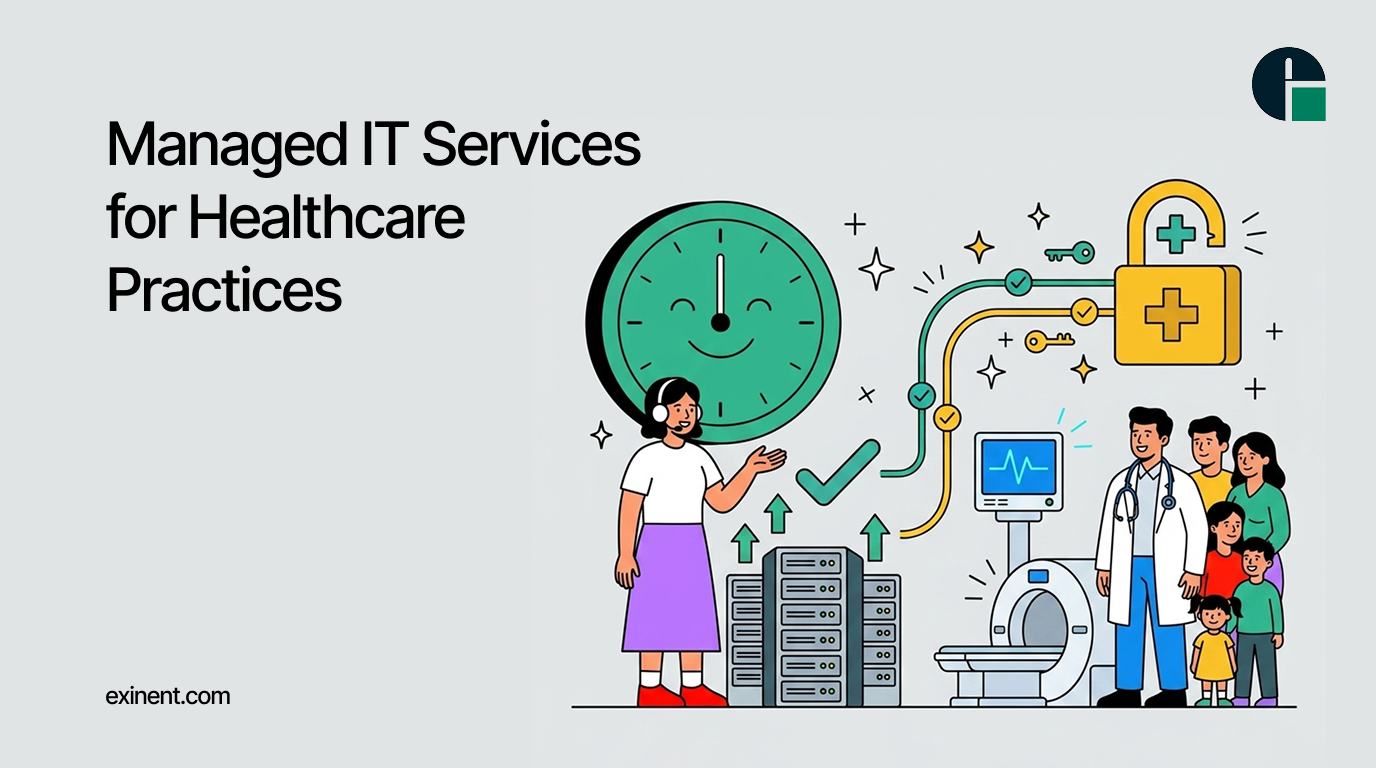
Healthcare practices today depend heavily on technology to deliver quality patient care, manage records, support telehealth services, and maintain regulatory compliance. From electronic health records (EHRs) to cloud-based applications and connected medical devices, technology has become an essential part of daily operations. However, managing complex IT systems while focusing on patient care can be challenging for healthcare providers. This is where Managed IT Services play a critical role.
Healthcare organizations face unique challenges, including strict compliance requirements, increasing cybersecurity threats, and the need for uninterrupted system availability. By partnering with a trusted managed IT service provider, healthcare practices can improve operational efficiency, enhance security, and focus more on delivering exceptional patient outcomes.
What Are Managed IT Services for Healthcare?
Managed IT Services involve outsourcing the monitoring, maintenance, security, and support of an organization’s technology infrastructure to a specialized provider. Rather than reacting to IT issues after they occur, managed service providers (MSPs) proactively monitor systems, identify risks, and resolve potential problems before they impact business operations. This proactive approach helps healthcare practices maintain reliable and secure IT environments while reducing downtime and unexpected costs. Healthcare-focused managed IT providers typically offer services such as network management, cybersecurity, cloud solutions, backup and disaster recovery, compliance support, and help desk assistance.
Why Healthcare Practices Need Managed IT Services
Healthcare providers operate in a highly regulated and technology-driven environment. Patient data must remain secure, systems must stay available around the clock, and regulatory requirements such as HIPAA must be consistently met. At the same time, cyberattacks targeting healthcare organizations continue to increase, making robust security measures more important than ever. Managed IT services help healthcare practices address these challenges through proactive monitoring, security management, and compliance support.
Without professional IT management, healthcare practices may face system outages, data breaches, compliance violations, and operational disruptions that can negatively affect patient care and organizational reputation. Managed IT services provide the expertise and resources needed to maintain a secure and reliable technology environment.
Enhanced Cybersecurity Protection
Cybersecurity remains one of the biggest concerns for healthcare organizations. Medical records contain sensitive personal and financial information, making healthcare providers attractive targets for cybercriminals. Ransomware attacks, phishing scams, and data breaches can result in significant financial losses and damage to patient trust.
Managed IT service providers implement multiple layers of security to protect healthcare organizations from evolving threats. These measures may include:
- 24/7 network monitoring
- Endpoint protection
- Multi-factor authentication (MFA)
- Email security solutions
- Vulnerability assessments
- Threat detection and response
- Data encryption
By continuously monitoring systems and addressing vulnerabilities, managed IT providers help reduce the risk of cyberattacks and ensure that patient information remains protected.
Ensuring HIPAA Compliance
Compliance with healthcare regulations is essential for every medical practice. Failure to comply with HIPAA requirements can result in penalties, legal issues, and reputational damage. However, maintaining compliance can be difficult without specialized IT expertise.
Managed IT providers help healthcare organizations implement security controls, perform risk assessments, maintain compliance documentation, and monitor regulatory changes. They also ensure that systems are properly configured to meet compliance requirements and support audit readiness. This ongoing support helps healthcare practices reduce compliance risks while maintaining secure patient data management processes.
Improved System Reliability and Uptime
Healthcare operations depend on technology being available whenever needed. Physicians, nurses, and administrative staff rely on EHR systems, scheduling software, diagnostic tools, and communication platforms to perform their duties effectively.
Managed IT services provide continuous monitoring and proactive maintenance to identify and resolve issues before they cause downtime. Regular software updates, patch management, infrastructure monitoring, and performance optimization help ensure systems remain stable and responsive. As a result, healthcare professionals can access critical information when they need it, improving both productivity and patient care.
Support for Telehealth and Remote Healthcare Services
The growth of telehealth has transformed how healthcare services are delivered. Patients increasingly expect convenient access to virtual consultations and remote care options. However, telehealth platforms require secure, reliable, and scalable IT infrastructure.
Managed IT providers help healthcare organizations implement and maintain telehealth solutions while ensuring secure communication and data transmission. They also support remote workforce technologies, allowing healthcare professionals to access systems securely from various locations without compromising patient privacy.
Backup and Disaster Recovery Planning
Unexpected events such as cyberattacks, hardware failures, natural disasters, or human errors can disrupt healthcare operations. Without a proper backup and disaster recovery strategy, organizations risk losing critical patient information and experiencing prolonged downtime.
Managed IT services include automated data backups, disaster recovery planning, and business continuity solutions. These services help healthcare practices recover quickly from disruptions and minimize the impact on patient care. Reliable backup systems ensure that important data remains accessible even during emergencies.
Cost-Effective IT Management
Building and maintaining an in-house IT department can be expensive, particularly for small and mid-sized healthcare practices. Hiring skilled IT professionals, purchasing advanced security tools, and managing infrastructure costs can strain budgets.
Managed IT services provide access to a team of experienced professionals for a predictable monthly fee. This model helps healthcare organizations control costs while benefiting from enterprise-level expertise and technology solutions. Additionally, proactive maintenance reduces the likelihood of costly downtime and emergency repairs.
Choosing the Right Managed IT Partner
When selecting a managed IT provider, healthcare organizations should look for experience in the healthcare industry, knowledge of HIPAA compliance, strong cybersecurity capabilities, and a proven track record of supporting healthcare environments. Providers should offer proactive monitoring, rapid response times, scalable solutions, and ongoing strategic guidance.
Working with an experienced Managed IT Services provider can help healthcare practices improve security, streamline operations, and support long-term growth while maintaining a strong focus on patient care.
Conclusion
Technology continues to play a vital role in modern healthcare delivery. As healthcare organizations face increasing cybersecurity threats, regulatory demands, and operational complexities, managed IT services provide the expertise and support needed to maintain secure and reliable systems. By leveraging proactive monitoring, compliance assistance, cybersecurity protection, and disaster recovery solutions, healthcare practices can focus on what matters most—delivering exceptional patient care.
Investing in professional Managed IT Services is not just an IT decision; it is a strategic investment in the security, efficiency, and future success of healthcare organizations.
FAQ’S :
What are Managed IT Services for healthcare practices?
Managed IT Services for healthcare practices involve outsourcing IT support, security, network management, and system maintenance to a specialized provider. These services help clinics, hospitals, and medical offices keep their technology secure, compliant, and operational. Providers typically offer 24/7 monitoring and technical support.
How do Managed IT Services help healthcare organizations stay HIPAA compliant?
Managed IT providers help healthcare organizations implement security controls, data encryption, access management, and regular system updates. They also monitor networks for threats and assist with compliance audits. This reduces the risk of HIPAA violations and patient data breaches.
What are the benefits of Managed IT Services for medical practices?
Managed IT Services improve cybersecurity, reduce downtime, and provide predictable IT costs. Healthcare providers gain access to expert technical support without hiring a full in-house IT team. This allows staff to focus more on patient care and less on technology issues.
How much do Managed IT Services for healthcare practices cost?
Costs vary based on the number of users, devices, locations, and service requirements. Small healthcare practices may pay a few hundred dollars per month, while larger organizations may require customized pricing. Most providers offer fixed monthly plans for easier budgeting.
Can Managed IT Services protect patient data from cyberattacks?
Yes, Managed IT Services help protect patient data through firewalls, antivirus software, endpoint protection, encryption, and continuous monitoring. Many providers also perform vulnerability assessments and security training. These measures help reduce the risk of ransomware and data breaches.
What IT support services are typically included for healthcare practices?
Most Managed IT plans include help desk support, network management, data backup, cybersecurity, cloud services, software updates, and disaster recovery planning. Some providers also support electronic health record (EHR) systems. Services can be customized based on practice needs.
Are Managed IT Services worth it for small medical clinics?
Yes, small clinics often benefit from Managed IT Services because they gain access to specialized IT expertise at a lower cost than hiring full-time staff. Providers help improve security, maintain compliance, and reduce unexpected technology issues. This can lead to better operational efficiency.
How do Managed IT providers handle healthcare data backups and recovery?
Managed IT providers create automated backups and store data securely in multiple locations. If data is lost due to hardware failure, cyberattacks, or human error, recovery processes can restore information quickly. This helps maintain business continuity and patient care operations.
What risks can healthcare practices avoid with Managed IT Services?
Healthcare practices can reduce risks such as data breaches, system downtime, compliance violations, malware infections, and data loss. Proactive monitoring helps identify and resolve issues before they become major problems. This improves security and operational reliability.
How do I choose the best Managed IT Services provider for a healthcare practice?
Look for a provider with healthcare industry experience, HIPAA knowledge, strong cybersecurity capabilities, and responsive support. Review service level agreements (SLAs), certifications, and customer references. Choosing a provider that understands healthcare compliance requirements is essential.