
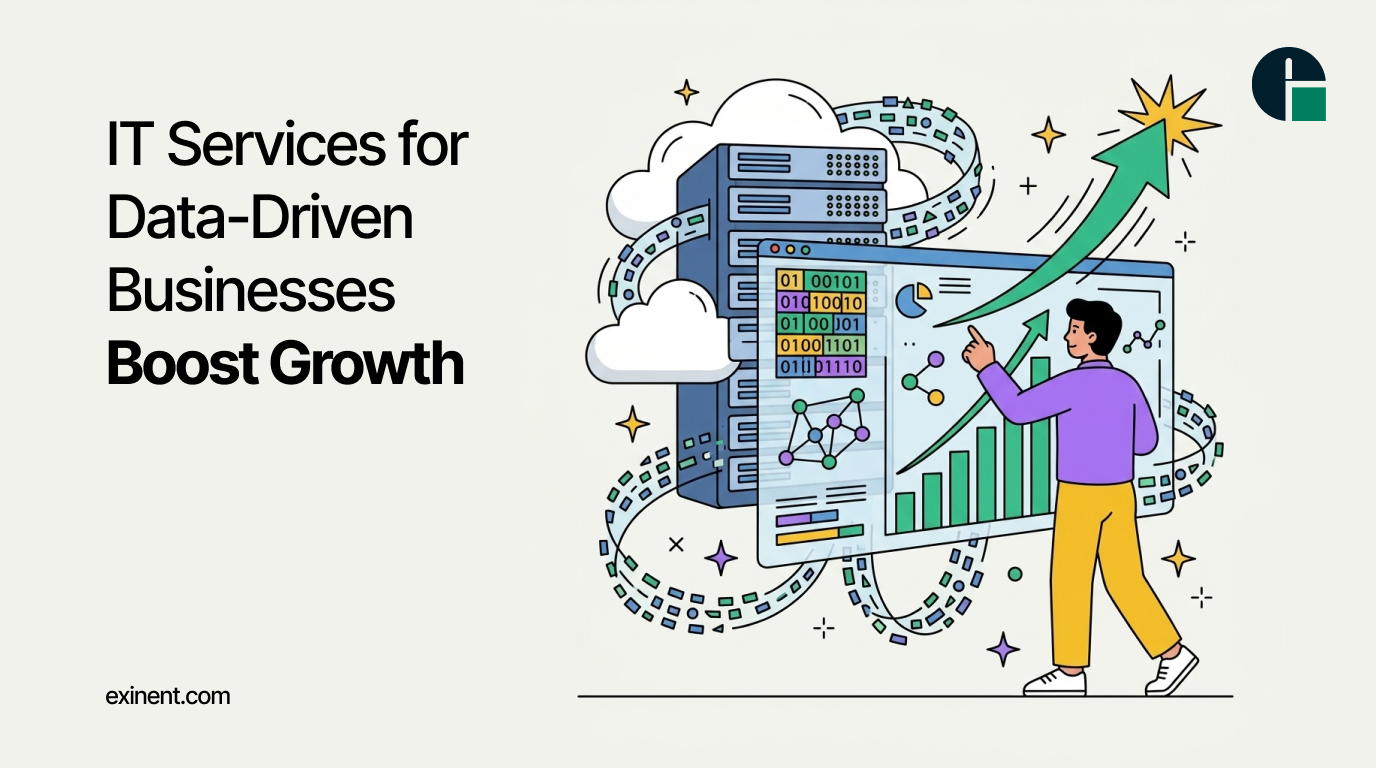
In today’s digital economy, data has become one of the most valuable assets for organizations of all sizes. From customer behavior analytics and operational insights to financial forecasting and business intelligence, companies rely on data to make informed decisions. However, managing, securing, and optimizing the technology infrastructure that supports data-driven operations requires specialized expertise. This is where professional IT services play a critical role.
Data-driven businesses depend on reliable systems, secure networks, cloud platforms, and advanced analytics tools to maintain a competitive edge. Without proper IT support, organizations may face downtime, security risks, compliance issues, and lost opportunities. Investing in the right IT services helps businesses maximize the value of their data while ensuring operational efficiency and long-term growth.
Why Data-Driven Businesses Need Specialized IT Services
Unlike traditional organizations, data-driven companies generate, process, and analyze large volumes of information every day. This data often comes from multiple sources, including websites, mobile applications, CRM platforms, IoT devices, and cloud-based systems.
Managing these complex environments requires a strategic IT approach. Businesses need scalable infrastructure, secure data storage, seamless integrations, and continuous monitoring to ensure systems perform efficiently. Professional IT service providers help organizations build and maintain technology ecosystems that support business goals while reducing operational risks.
As companies continue to adopt advanced technologies such as artificial intelligence, machine learning, and predictive analytics, the demand for expert IT support becomes even more critical.
Key IT Services That Support Data-Driven Organizations
1. Managed IT Services
One of the most effective ways to support a data-driven business is through comprehensive Managed IT Services. These services provide proactive monitoring, maintenance, help desk support, cybersecurity management, and infrastructure optimization.
Rather than waiting for technical issues to occur, managed service providers continuously monitor systems to identify and resolve problems before they impact business operations. This proactive approach minimizes downtime and ensures that critical data systems remain available when needed.
Managed IT services also allow internal teams to focus on strategic initiatives rather than spending valuable time troubleshooting technology issues.
2. Cloud Infrastructure Management
Modern data-driven organizations rely heavily on cloud platforms for storage, collaboration, analytics, and application hosting. Cloud infrastructure offers flexibility, scalability, and cost efficiency, making it ideal for businesses experiencing rapid growth.
IT service providers help organizations design, implement, and manage cloud environments that align with business requirements. They ensure cloud resources are optimized, secure, and capable of handling increasing data workloads.
Proper cloud management also helps businesses avoid unnecessary expenses while improving system performance and reliability.
3. Cybersecurity and Data Protection
Data is a prime target for cybercriminals. A single security breach can result in financial losses, reputational damage, and regulatory penalties.
Professional IT services help organizations implement multi-layered security strategies that protect sensitive information from unauthorized access. These measures may include:
- Advanced threat detection
- Endpoint protection
- Network security monitoring
- Data encryption
- Identity and access management
- Security awareness training
Strong cybersecurity practices are essential for maintaining customer trust and ensuring business continuity.
4. Data Backup and Disaster Recovery
Business data must remain accessible even during unexpected events such as cyberattacks, hardware failures, or natural disasters.
IT service providers develop comprehensive backup and disaster recovery plans that enable organizations to recover quickly from disruptions. Automated backups, redundant storage systems, and tested recovery procedures help minimize downtime and data loss.
A reliable disaster recovery strategy ensures that critical business operations can continue even under challenging circumstances.
5. Business Intelligence and Analytics Support
Many organizations invest heavily in analytics platforms to gain actionable insights from their data. However, these tools require proper implementation, integration, and ongoing support.
IT professionals assist businesses in managing analytics environments, integrating data sources, and optimizing performance. This enables decision-makers to access accurate, real-time information that supports strategic planning and operational improvements.
When analytics systems function effectively, businesses can identify trends, improve customer experiences, and uncover new revenue opportunities.
Also Read :
What to Expect from a Managed IT Services Provider
The Role of AI in Streamlining Your Microsoft 365 Migration Process
Benefits of IT Services for Data-Driven Companies
Improved Operational Efficiency
Reliable IT systems reduce manual processes, eliminate bottlenecks, and improve workflow automation. Employees can access the information they need quickly, leading to greater productivity across the organization.
Enhanced Data Security
Professional IT support helps organizations protect valuable data assets through continuous monitoring, threat prevention, and compliance management. This reduces the likelihood of costly security incidents.
Greater Scalability
As businesses grow, their technology needs evolve. IT service providers help organizations scale infrastructure, applications, and storage resources without disrupting daily operations.
Better Decision-Making
Accurate and accessible data enables leaders to make informed decisions. Well-managed IT environments ensure that analytics tools and reporting systems provide reliable insights when they are needed most.
Reduced Technology Costs
Outsourcing IT management often proves more cost-effective than maintaining a large in-house team. Businesses gain access to specialized expertise without the expense of recruiting and training additional staff.
Choosing the Right IT Service Provider
Selecting an experienced IT partner is essential for long-term success. Businesses should look for providers with proven expertise in cloud technologies, cybersecurity, data management, and infrastructure support.
When evaluating providers, consider factors such as:
- Industry experience
- Security certifications
- Service level agreements (SLAs)
- Response times
- Scalability capabilities
- Customer reviews and case studies
Organizations seeking reliable technology support can benefit from partnering with providers that offer comprehensive Managed IT Services tailored to their specific operational requirements.
Conclusion
Data-driven businesses rely on technology to transform information into actionable insights and competitive advantages. However, managing the infrastructure, security, and systems that support data operations requires ongoing expertise and attention.
Professional IT services provide the foundation needed to maintain performance, protect sensitive information, and support business growth. From cloud management and cybersecurity to disaster recovery and analytics support, the right IT partner enables organizations to maximize the value of their data while minimizing operational risks.
As data continues to drive business strategy and innovation, investing in expert IT services is no longer optional—it is a critical component of sustainable success.