
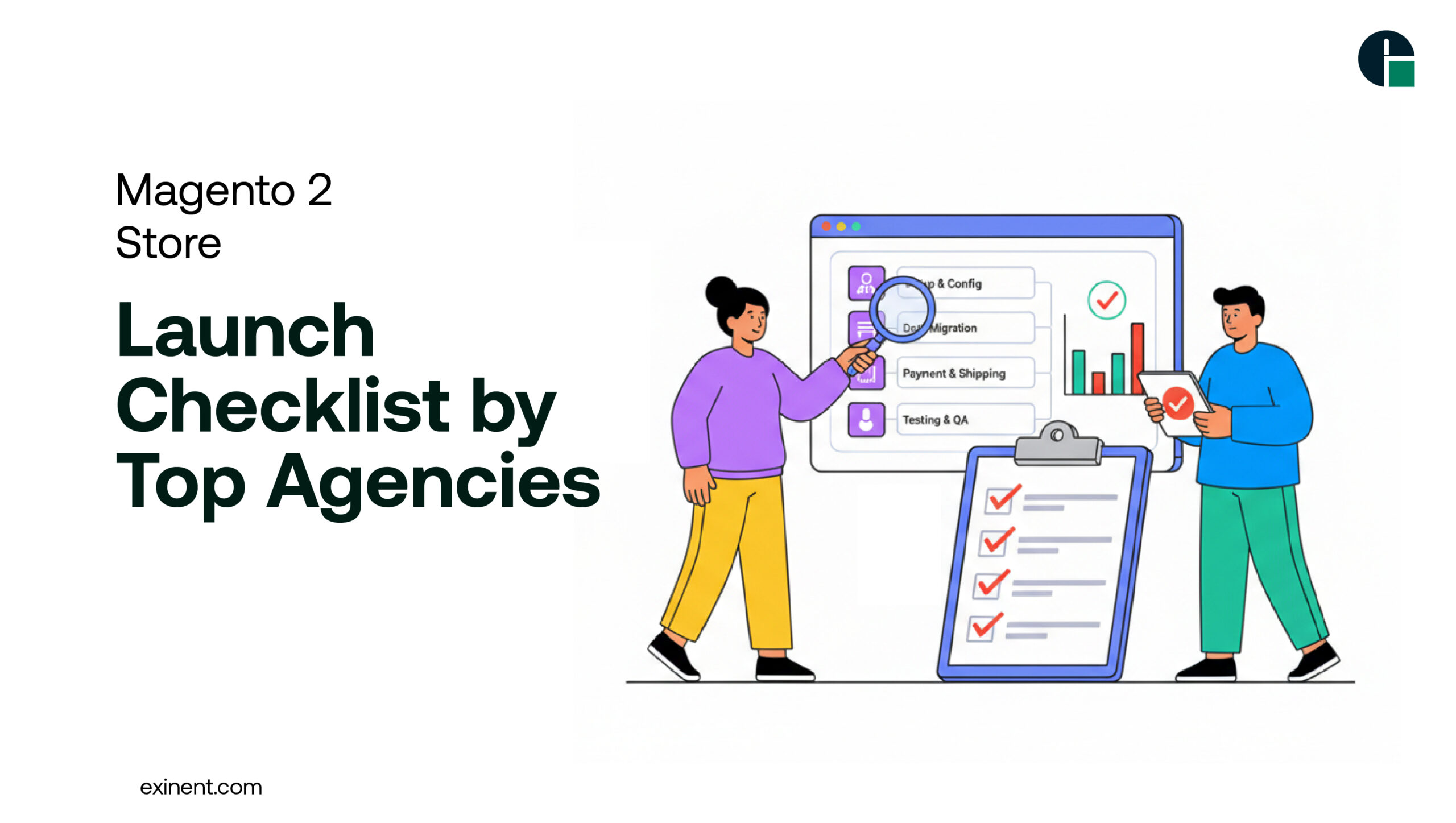
Launching a Magento 2 store is an exciting milestone—but it also requires careful planning, precise execution, and a strategic approach to ensure everything works seamlessly from day one. Leading Magento agencies follow a structured launch checklist to guarantee performance, security, and scalability. Whether you’re opening a new online store or migrating from another platform, this guide will walk you through the essential Magento 2 store launch checklist trusted by top experts.
1. Define Business Goals and Technical Requirements
Every successful eCommerce launch starts with clarity. Before development begins, agencies identify your business objectives:
- Who is your target audience?
- What products will you sell?
- What functionalities do you need? (e.g., B2B modules, custom checkout, integrations)
- What is your expected monthly traffic?
This helps shape the initial project roadmap, identify required Magento extensions, and ensure your store is optimized for conversions, not just aesthetics.
2. Choose the Right Hosting Environment
Magento 2 is powerful but resource-intensive. Leading agencies never compromise on hosting quality. They recommend:
- Cloud hosting (AWS, Google Cloud, Azure)
- Dedicated Magento-optimized servers
- Built-in caching and CDN
- Automatic backups and disaster recovery
Choosing reliable hosting ensures fast load speeds, reduced downtime, and secure transactions—critical for any eCommerce business.
3. Install and Configure Magento 2
Once your hosting is ready, agencies proceed with:
- Installing the latest Magento 2 version
- Setting up the environment (staging, production)
- Configuring store settings like currency, timezone, taxes, payment methods, and shipping options
- Enabling security settings
This stage lays the foundation for performance, scalability, and compliance.
4. UX/UI Design and Theme Implementation
Your Magento store’s design directly affects customer trust and conversion rates. Leading agencies focus on:
- Mobile-first, responsive layouts
- SEO-optimized theme structure
- Fast-loading product pages
- Clear navigation and mega menu
- Conversion-driven checkout flow
Whether you choose a custom design or a premium theme, consistency and usability remain top priorities
5. Product Catalog Setup
A store launch is incomplete without an accurate, well-structured product catalog. Agencies handle:
- Product imports (CSV/XML)
- SKU structuring
- Category tree setup
- Attribute creation
- High-quality product images
- SEO-friendly product descriptions
Data accuracy at this stage prevents errors later and improves your store’s overall user experience.
6. Install and Configure Essential Extensions
Magento’s flexibility lies in its extensibility. Agencies only install trusted, performance-tested extensions for:
- Payment gateways (PayPal, Stripe, Razorpay)
- Shipping & logistics integration
- SEO enhancements
- Email marketing & CRM
- Inventory management
- Page builders
- Security modules
Avoid unnecessary extensions—they slow down performance and complicate updates.
7. Set Up Magento Security Best Practices
Security is non-negotiable. Leading agencies follow a strict list of protocols:
- Enable 2-factor authentication
- Install SSL certificate
- Use unique admin URL
- Apply latest Magento security patches
- Set strong file permissions
- Configure firewall and bot protection
With cyber threats rising, securing your Magento store from day one is a top priority.
8. Performance Optimization
A slow website reduces conversions and harms SEO. Experts optimize performance through:
- Full-page caching
- Image compression
- Lazy loading
- Minifying CSS/JS files
- Database indexing
- Server-level caching (Redis, Varnish)
Magento 2 is capable of blazing-fast speed—but only if optimized properly.
9. SEO Setup Before Launch
Agencies ensure the store is search-engine-ready by configuring:
- Meta titles and descriptions
- XML sitemap
- Robots.txt
- Canonical tags
- Schema markup
- Optimized URLs
- Redirects from old pages (if migrating)
A strong SEO foundation ensures your store ranks faster post-launch and drives organic traffic.
10. Integrations with Third-Party Systems
Most businesses rely on multiple platforms. Agencies ensure seamless integrations with:
- ERP
- CRM
- PIM
- Email automation tools
- Accounting software
- Shipping carriers
Proper integration enhances workflow efficiency and reduces manual tasks.
11. QA Testing (Functional + Usability Testing)
Leading agencies conduct extensive testing before launch. This includes:
- Checkout and payment flow
- Coupon & discount application
- Mobile responsiveness
- Browser compatibility
- Product filtering
- Load testing
- Security vulnerability testing
The goal is to deliver a bug-free, smooth shopping experience from day one.
12. Content Setup and CMS Pages
Your store needs professional pages beyond just product listings:
- Home page
- About Us
- Contact Us
- Privacy policy
- Terms & conditions
- Returns & shipping policy
Quality content builds credibility and improves SEO.
13. Go-Live Checklist
Right before going live, agencies double-check:
- DNS configuration
- SSL installation
- Payment gateways in live mode
- Cache clearing
- Backup creation
- SMTP email configuration
Once verified—it’s time to launch!
14. Post-Launch Support & Monitoring
Leading Magento agencies never leave clients after launch. They provide:
- 24/7 monitoring
- Performance tuning
- Extension updates
- Security patch installation
- Feature enhancements
- Conversion optimization
Partnering with a trusted Magento development company ensures long-term growth and stability.
If you are targeting the US market specifically, consider hiring a specialized Magento development company in USA for localized support, faster communication, and market expertise.
Final Thoughts
Launching a Magento 2 store is a multi-step process that demands expertise, precision, and technical depth. Following this checklist ensures a flawless launch while maximizing performance, security, and user experience. Whether you’re a startup or an enterprise brand, partnering with experienced Magento specialists will make your launch smooth and successful.
FAQ’s :
What is a Magento 2 store launch checklist?
A Magento 2 store launch checklist is a step-by-step guide that ensures your eCommerce store is ready for live operation. It covers technical setup, design verification, SEO, security, and performance checks. Leading agencies create these checklists to minimize errors and ensure smooth launch.
Why is a Magento 2 launch checklist important?
Using a launch checklist reduces mistakes, prevents downtime, and ensures a better customer experience. It helps verify payment gateways, product listings, site speed, and security settings before going live. Agencies follow it to deliver error-free Magento 2 stores.
What are the key steps in a Magento 2 store launch checklist?
Key steps include: 1) Testing site functionality, 2) Verifying product catalog, 3) Configuring payment and shipping methods, 4) Optimizing SEO, 5) Securing the site, and 6) Final performance testing. Each step ensures the store runs smoothly from day one.
How do leading agencies prepare a Magento 2 store for launch?
Agencies follow structured processes including design validation, custom extension checks, server configuration, security hardening, SEO optimization, and final QA testing. They often use automated and manual testing to ensure high reliability.
What are common Magento 2 launch mistakes to avoid?
Common mistakes include missing product details, broken links, slow site speed, misconfigured payment gateways, and poor SEO setup. Agencies use checklists to identify and fix these issues before going live.
How much does it cost to launch a Magento 2 store with agency support?
Costs vary based on store size, custom features, and agency rates. A basic Magento 2 store can start around $5,000–$10,000, while complex enterprise stores may exceed $50,000. Checklists help avoid hidden costs due to errors or post-launch fixes.
How long does it take to launch a Magento 2 store using a checklist?
A typical store launch takes 4–12 weeks depending on complexity. Following a checklist helps agencies stay on schedule by systematically addressing design, development, testing, and SEO tasks.
What are best practices for a Magento 2 store launch?
Best practices include: 1) Comprehensive QA testing, 2) SEO-friendly URLs and metadata, 3) Secure SSL and payment setup, 4) Mobile optimization, and 5) Backup and monitoring setup. Using a checklist ensures none of these critical tasks are missed.