
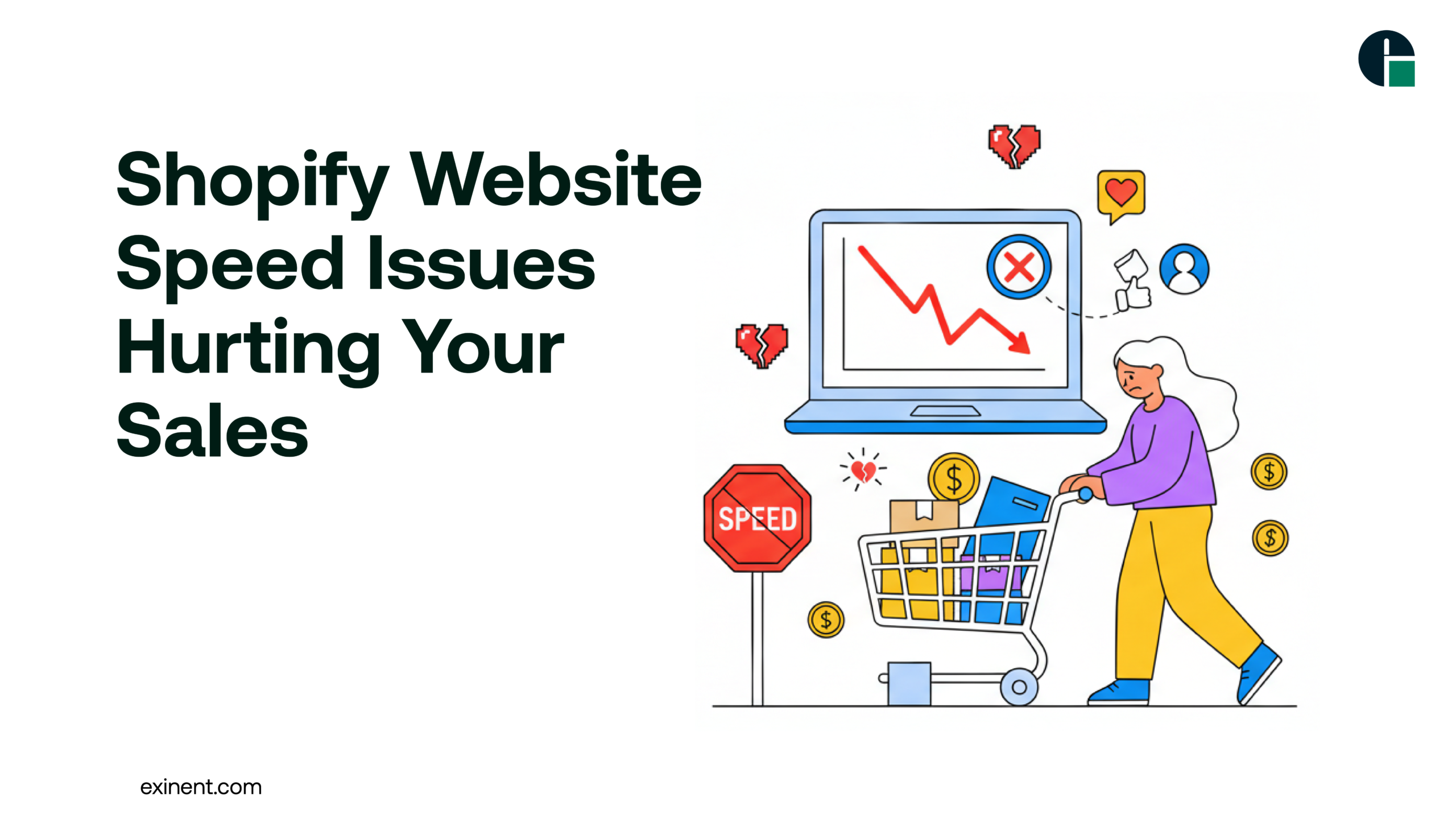
Website speed is no longer a technical luxury—it’s a revenue driver. If your Shopify store loads slowly, you’re likely losing customers before they even view your products.
According to research by Google, even a one-second delay in load time can significantly reduce conversions. For ecommerce brands using Shopify, speed directly impacts bounce rate, search rankings, customer trust, and ultimately sales.
In this guide, we’ll explore why Shopify website speed issues hurt your revenue, the benefits of optimization, common challenges, proven solutions, and expert best practices to improve performance.
Why Shopify Website Speed Matters for Sales
Speed affects three critical areas:
1. User Experience (UX)
Modern shoppers expect pages to load within 2–3 seconds. If your store takes longer:
- Visitors abandon before browsing
- Cart additions decrease
- Checkout completion drops
Slow loading feels unprofessional and damages brand perception.
2. SEO and Search Visibility
Search engines prioritize fast-loading websites. Core Web Vitals—metrics defined by Google—measure performance factors such as:
- Largest Contentful Paint (LCP)
- First Input Delay (FID)
- Cumulative Layout Shift (CLS)
If your Shopify store performs poorly, your rankings may suffer.
3. Conversion Rates and Revenue
Speed optimization increases:
- Time on site
- Pages per session
- Add-to-cart rates
- Completed purchases
Even small performance improvements can create measurable revenue growth.
Benefits of a Fast Shopify Store
Improving speed delivers tangible business benefits:
- Higher conversion rates
- Improved mobile performance
- Better SEO rankings
- Lower bounce rates
- Stronger customer trust
- Reduced cart abandonment
In competitive ecommerce markets, speed becomes a competitive advantage.
How Speed Issues Hurt Your Sales
Here are some ways slow site performance negatively impacts your Shopify business:
1. Increased Bounce Rates
Visitors expect instant access. If your Shopify store lags, they’re more likely to bounce back to search results or move on to another store entirely. A higher bounce rate signals that users aren’t engaging — and with fewer users staying to browse, sales suffer.
2. Lower Conversion Rates
Even if a visitor sticks around, slow load times reduce buy-now clicks. A delay in adding products to cart or loading payment pages creates friction. Conversion rate optimization doesn’t stand a chance if the basic experience feels sluggish.
3. Poor Mobile Experience
Mobile shoppers are growing faster than desktop users. But mobile networks are often slower or less reliable. A site that loads fine on desktop may lag on mobile — and a poor mobile experience equals fewer completed purchases.
4. Negative Brand Perception
Speed influences trust. Slow sites feel outdated or poorly managed. Your brand loses credibility when users associate your store with problems rather than products.
Common Causes of Slow Shopify Websites
Once you understand the cost of slow load times, the next step is identifying what’s causing them. Let’s look at some frequent culprits:
1. Large Images and Media
High-resolution images make your products look great — but heavy file sizes significantly delay page loads. Without proper optimization, images weigh down every page load, especially on slower connections.
2. Too Many Apps
Shopify’s ecosystem of apps provides amazing functionality, but installing too many can clutter your site. Each app adds scripts and stylesheets that your site must load, slowing everything down.
3. Poor Theme Performance
Not all themes are created equal. Some are bloated with unnecessary features or poorly written code. If your theme takes too long to render, your entire store feels slow.
4. Unoptimized Code
Excess JavaScript, CSS files, and third-party scripts can bog down your site. These files often load before content, making users wait longer to see anything on the screen.
5. Uncached Content
If your store isn’t leveraging browser caching, repeat visitors have to re-download files every time they return. This increases load times and reduces efficiency.
How to Diagnose Your Shopify Speed Issues
Before you fix the issue, you need to pinpoint it. There are excellent tools available for performance analysis:
- Google PageSpeed Insights
Provides performance scores and specific suggestions for improvements.
- GTmetrix
Breaks down page load times and highlights heavy assets.
- Shopify’s Native Speed Reports
Shopify now includes speed reports to help merchants identify bottlenecks in themes and apps.
Solutions to Improve Your Shopify Store Speed
1. Optimize Images
Compress images before uploading them. Use modern formats like WebP when possible. Shopify also offers automatic image compression. Smaller images load faster without sacrificing quality.
2. Limit App Usage
Evaluate your installed apps and remove any that aren’t essential. Some functions can be combined or replaced with more efficient alternatives.
3. Choose a Fast Theme
Selecting a well-coded, optimized theme makes a massive difference. Consider partnering with a Shopify Development Company like Exinent to get a theme that balances design with performance. Their expertise can help ensure your store is both beautiful and lightning fast.
4. Minimize Third-Party Scripts
External scripts like chat widgets, tracking pixels, or social embeds can slow down load times. Load them conditionally — only when necessary — or delay them until after the main content finishes loading.
5. Enable Caching
Shopify uses content delivery networks (CDNs) to serve content faster. But you can also enable browser caching to improve repeat visitor performance.
6. Regularly Audit Your Site
Speed optimization isn’t one and done. Run regular performance checks and stay proactive about improvements.
When to Get Professional Help
If speed optimizations don’t yield results or you lack the technical expertise, it’s time to consider professional assistance. A specialized Shopify partner can audit your store holistically — from theme architecture to app impact — and resolve complex issues.
Hiring an experienced Shopify Development Company like Exinent can make your site faster and more revenue-driven. Their team understands Shopify performance bottlenecks and knows how to eliminate them without compromising functionality or aesthetics.
Final Thoughts
Speed isn’t just a technical metric — it’s a business imperative. Slow loading times create friction at every stage of the customer journey, eroding conversions, damaging SEO, and costing you money.
In a competitive e-commerce landscape, every advantage counts. Prioritizing site speed boosts user satisfaction, enhances conversions, and grows revenue. Whether you DIY or hire professionals, optimizing your Shopify store for speed should be at the top of your to-do list.
Don’t let performance issues hold back your store. Start optimizing today — and watch your sales accelerate with every millisecond you shave off your load times.
FAQ’S :
What are Shopify website speed issues and why do they hurt online sales?
Shopify website speed issues refer to slow page load times, delayed interactions, or heavy elements that make your store sluggish. If a page takes more than 3 seconds to load, up to 40% of users may leave. Slow speed reduces conversions, increases bounce rates, and lowers search rankings. Even a 1-second delay can reduce conversions by 5–7%.
How does slow Shopify store speed affect conversion rates?
Slow Shopify store speed increases cart abandonment and reduces completed checkouts. Studies show that pages loading in 1–2 seconds convert significantly better than those loading in 4–5 seconds. Customers expect instant browsing, especially on mobile. A slow checkout page directly impacts revenue and repeat purchases.
Why is my Shopify website loading slowly even with a premium theme?
A premium theme does not guarantee fast performance. Large images, too many apps, custom scripts, and third-party trackers can slow your store. Unoptimized images alone can increase load time by 30–50%. Theme customization without performance testing can also affect Core Web Vitals.
How do too many Shopify apps slow down my website?
Each Shopify app adds scripts, CSS, or API calls to your store. Installing 15–20 apps can significantly increase load time and server requests. Some apps run background processes even if not actively used. Removing unused apps can improve speed by 10–30% in many cases.
What are the most common Shopify speed optimization problems?
Common issues include large image files, uncompressed code, excessive JavaScript, unused apps, and slow third-party integrations. Mobile performance often suffers more than desktop. Poor hosting configuration for custom features can also cause delays. Regular audits help identify bottlenecks.
How can I check if Shopify website speed is hurting my sales?
You can use tools like Google PageSpeed Insights or Shopify’s built-in speed report. If your load time exceeds 3 seconds or your score is below 70 on mobile, optimization is needed. Also monitor bounce rate and cart abandonment in analytics. Sudden drops in conversions often signal speed issues.
What is the ideal page load time for a Shopify store?
The ideal Shopify page load time is under 2 seconds. Stores loading within 1–2 seconds typically see higher engagement and better SEO rankings. Mobile speed should be prioritized, as over 60% of traffic comes from mobile devices. Faster sites improve Core Web Vitals scores.
How can I improve Shopify website speed quickly?
Start by compressing images, removing unused apps, and minimizing third-party scripts. Enable lazy loading for images and reduce heavy sliders or animations. Test changes after each update to measure improvement. A structured speed audit can improve performance by 20–50%.