
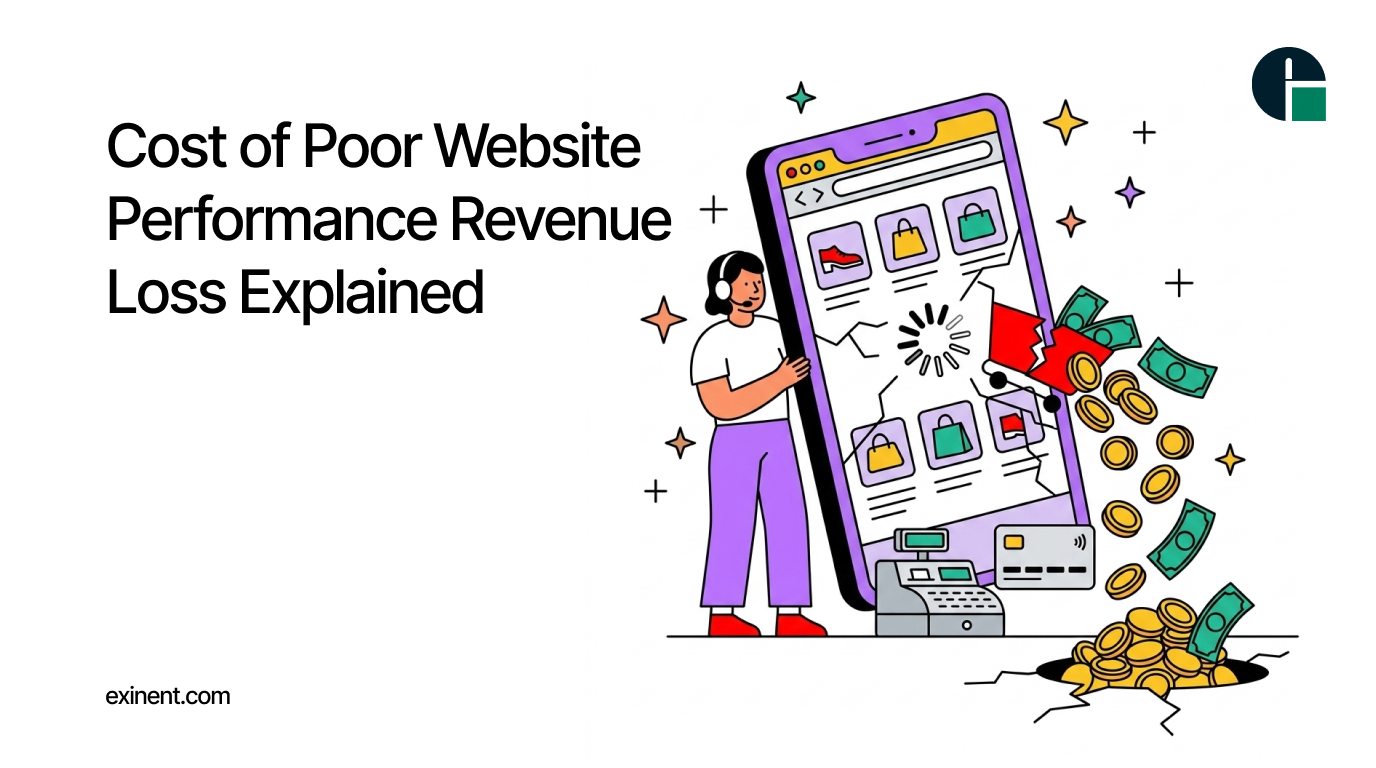
In today’s digital-first marketplace, your website is more than just an online presence—it is often your most important sales channel. Whether you run an eCommerce store, a service-based business, or a corporate website, performance plays a critical role in customer experience and revenue generation. Unfortunately, many businesses underestimate the financial impact of a slow, poorly optimized website until they begin losing customers, conversions, and sales.
Understanding the true cost of poor website performance can help organizations prioritize website optimization and invest in professional E-commerce Development Services that drive measurable business growth.
What Is Website Performance?
Website performance refers to how quickly and efficiently a website loads, responds to user interactions, and delivers content across devices and browsers. Key performance indicators include:
- Page load speed
- Time to first byte (TTFB)
- Mobile responsiveness
- Server response times
- Website uptime
- Core Web Vitals metrics
A high-performing website provides a smooth user experience, while a slow website creates frustration and encourages visitors to leave before taking action.
The Direct Revenue Impact of Slow Websites
Every second matters when it comes to website speed. Studies consistently show that users expect web pages to load within a few seconds. When websites fail to meet these expectations, businesses experience increased bounce rates and lower conversion rates.
For example, imagine an online store generating $50,000 per month. If poor website performance causes even a 10% drop in conversions, the business could lose thousands of dollars in monthly revenue. Over a year, these losses become significant.
Customers today have countless alternatives. If your website takes too long to load, they can easily move to a competitor’s site and complete their purchase there instead.
Higher Bounce Rates Mean Lost Opportunities
Bounce rate measures the percentage of visitors who leave your website after viewing only one page. Slow-loading pages are one of the leading causes of high bounce rates.
When users encounter delays, they often assume the website is unreliable or outdated. This creates a negative first impression that can damage trust and reduce engagement.
High bounce rates lead to:
- Fewer product views
- Lower lead generation
- Reduced sales opportunities
- Decreased customer retention
Businesses investing in professional E-commerce Development Services can optimize website performance to keep visitors engaged and encourage them to explore additional pages.
Poor Performance Hurts Search Engine Rankings
Website speed is an important ranking factor for search engines. Search engines prioritize websites that provide excellent user experiences, especially on mobile devices.
When your website performs poorly, it may experience:
- Lower search rankings
- Reduced organic traffic
- Fewer qualified leads
- Higher customer acquisition costs
As organic traffic decreases, businesses often compensate by increasing spending on paid advertising. This creates an additional financial burden that could have been avoided through proper website optimization.
Mobile Users Are Less Forgiving
Mobile commerce continues to grow rapidly, making mobile performance more important than ever. Mobile users often browse while on the go and expect instant access to information.
A slow mobile website can result in:
- Cart abandonment
- Lower engagement rates
- Negative user experiences
- Reduced repeat purchases
Google’s mobile-first indexing means mobile performance directly impacts search visibility. Businesses that fail to optimize for mobile risk losing both rankings and customers.
Increased Cart Abandonment Rates
For eCommerce businesses, poor website performance frequently leads to abandoned shopping carts. Customers who have already selected products may leave before completing checkout if pages load slowly or transactions take too long to process.
Common performance issues that contribute to cart abandonment include:
- Slow checkout pages
- Payment processing delays
- Broken functionality
- Server timeouts
Every abandoned cart represents lost revenue that could have been captured with a faster, more reliable website experience.
Damage to Brand Reputation
Website performance affects more than immediate sales—it influences how customers perceive your brand.
When visitors encounter slow load times, broken pages, or frequent downtime, they may associate these issues with poor business practices. Even if your products and services are excellent, a poorly performing website can undermine customer confidence.
Negative experiences often lead to:
- Bad reviews
- Reduced customer loyalty
- Lower referral rates
- Decreased brand credibility
Building trust online requires a seamless digital experience, and website performance is a key component of that experience.
Hidden Operational Costs
Many businesses focus only on lost sales while overlooking the operational costs associated with poor website performance.
These costs may include:
- Increased customer support inquiries
- Higher advertising expenses
- Additional technical troubleshooting
- Lost employee productivity
- Emergency website repairs
Over time, these hidden costs can significantly impact profitability and business efficiency.
Also Read :
How to Improve Website Performance
Fortunately, most performance issues can be addressed through proactive optimization strategies. Businesses should focus on:
Optimize Images
Compress and properly size images to reduce page load times.
Improve Hosting Infrastructure
Choose reliable hosting providers that offer sufficient resources and uptime guarantees.
Enable Caching
Browser and server-side caching can dramatically improve loading speeds.
Minimize Code
Reduce unnecessary CSS, JavaScript, and third-party scripts.
Monitor Performance Regularly
Use performance monitoring tools to identify bottlenecks before they affect users.
Work with Experienced Developers
Professional development teams can implement advanced optimizations that improve speed, security, and scalability.
Final Thoughts
Poor website performance is far more expensive than many businesses realize. Slow load times, high bounce rates, lost conversions, lower search rankings, and damaged customer trust all contribute to declining revenue. In competitive digital markets, even small performance issues can result in substantial financial losses over time.
Investing in website optimization is not simply a technical upgrade—it is a strategic business decision that directly impacts customer satisfaction and profitability. By prioritizing speed, reliability, and user experience, businesses can increase conversions, improve search visibility, and maximize long-term revenue growth.
FAQ’S :
What is the cost of poor website performance for a business?
Poor website performance can lead to lost sales, lower customer satisfaction, and reduced search rankings. Even a one-second delay in page load time can decrease conversions and increase bounce rates. Over time, these losses can significantly impact revenue and business growth.
How does a slow website affect eCommerce revenue?
A slow website makes users wait longer, which increases the chance they will leave before making a purchase. Studies show that conversion rates can drop by several percentage points for every extra second of load time. This results in fewer completed transactions and lower revenue.
Can website speed really impact customer retention?
Yes, website speed directly affects user experience and customer loyalty. Visitors are more likely to return to fast, reliable websites. Slow-loading pages often frustrate users and encourage them to switch to competitors.
How much revenue can businesses lose from website downtime?
Revenue loss depends on the size of the business and the duration of the outage. For eCommerce websites, even a few hours of downtime can result in thousands of dollars in lost sales. Downtime can also damage customer trust and brand reputation.
Does poor website performance affect SEO rankings?
Yes, search engines consider page speed and user experience as ranking factors. Slow websites may rank lower in search results, reducing organic traffic. Lower visibility can lead to fewer visitors and missed revenue opportunities.
What are the common causes of poor website performance?
Common causes include unoptimized images, outdated plugins, poor hosting, excessive scripts, and lack of caching. High traffic without proper infrastructure can also slow down a website. Regular maintenance helps identify and fix these issues.
How can businesses measure the revenue impact of a slow website?
Businesses can compare conversion rates, bounce rates, and average order values before and after performance improvements. Analytics tools can also track abandoned sessions caused by slow page loads. These metrics help estimate lost revenue and potential gains.
Is investing in website performance optimization worth the cost?
In most cases, yes. Faster websites improve user experience, increase conversions, and support better search rankings. The return on investment often exceeds the cost of optimization through higher sales and improved customer retention.
What are the best ways to improve website performance?
Businesses should optimize images, enable caching, use a content delivery network (CDN), and choose reliable hosting. Regular software updates and code optimization also improve speed. Monitoring performance continuously helps prevent future issues.
How often should a website be checked for performance issues?
Website performance should be monitored continuously and reviewed at least monthly. High-traffic websites may require weekly or even daily checks. Regular audits help identify bottlenecks before they impact revenue and customer experience.