
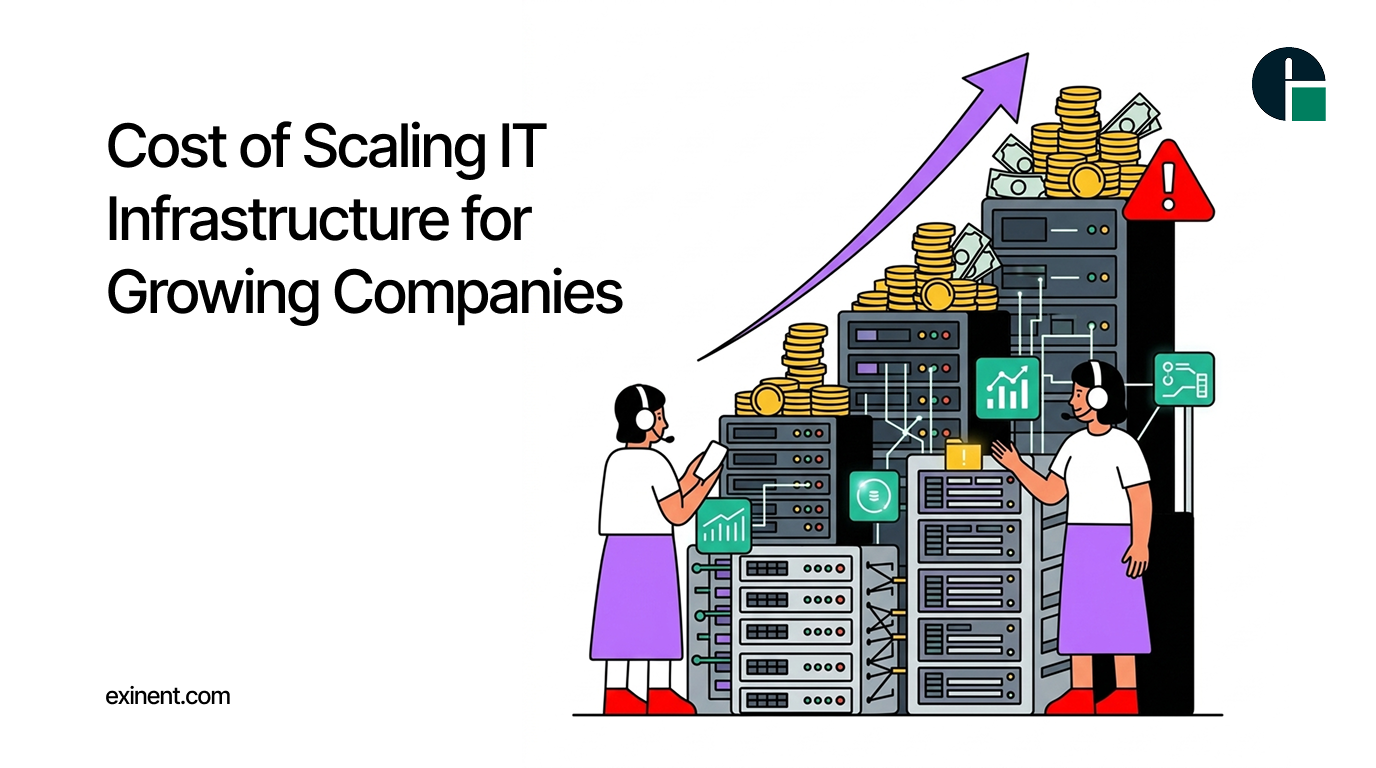
As businesses grow, their technology requirements become more complex. What worked for a startup with a handful of employees may no longer support the needs of a rapidly expanding organization. Scaling IT infrastructure is essential for maintaining productivity, security, and operational efficiency, but it also comes with significant costs. Understanding these expenses helps companies plan effectively and avoid unexpected financial burdens.
Whether you’re adding new employees, expanding to new locations, or handling increased customer demand, investing in scalable IT infrastructure is critical for long-term success.
Why IT Infrastructure Scaling Matters
IT infrastructure includes servers, networks, cloud platforms, storage systems, cybersecurity tools, software applications, and support services. As a company grows, these resources must expand to accommodate larger workloads, more users, and increased data volumes.
Without proper scaling, businesses may experience:
- Slow system performance
- Increased downtime
- Security vulnerabilities
- Reduced employee productivity
- Poor customer experiences
Investing in scalable infrastructure ensures that technology supports growth rather than becoming a bottleneck.
Key Costs Associated with Scaling IT Infrastructure
1. Hardware Upgrades
One of the most visible expenses involves upgrading physical hardware. Growing businesses often need:
- More powerful servers
- Additional workstations and laptops
- Network equipment upgrades
- Storage devices and backup systems
While cloud adoption has reduced some hardware costs, many organizations still require on-premises equipment for specific workloads, compliance requirements, or hybrid environments.
Hardware expenses can range from a few thousand dollars to hundreds of thousands depending on the size and complexity of the organization.
2. Cloud Services and Infrastructure
Cloud computing has become the preferred choice for scalable infrastructure. Platforms such as AWS, Microsoft Azure, and Google Cloud allow businesses to expand resources as needed without purchasing physical equipment.
However, cloud costs can increase significantly as usage grows. Common cloud-related expenses include:
- Virtual servers
- Data storage
- Database services
- Bandwidth consumption
- Backup and disaster recovery solutions
Although cloud platforms provide flexibility, businesses must carefully monitor resource utilization to avoid unexpected monthly bills.
3. Cybersecurity Investments
As organizations expand, they become more attractive targets for cybercriminals. Scaling infrastructure requires stronger security measures to protect sensitive data and business operations.
Security-related expenses often include:
- Advanced firewalls
- Endpoint protection software
- Multi-factor authentication
- Security monitoring tools
- Vulnerability assessments
- Employee cybersecurity training
The cost of cybersecurity should be viewed as an investment rather than an expense, especially when considering the financial impact of data breaches and ransomware attacks.
4. Software Licensing Costs
Growth typically means more employees and more software users. Many business applications operate on subscription-based pricing models, making software costs directly tied to workforce expansion.
Common licensing expenses include:
- Productivity suites
- CRM systems
- ERP platforms
- Collaboration tools
- Security software
- Industry-specific applications
Organizations should regularly review software usage to eliminate unnecessary licenses and optimize spending.
5. Network Expansion
Expanding offices, remote teams, and hybrid work environments require enhanced networking capabilities. Businesses may need to invest in:
- Higher internet bandwidth
- Additional wireless access points
- SD-WAN solutions
- VPN infrastructure
- Network monitoring tools
Reliable connectivity is essential for maintaining employee productivity and ensuring seamless access to business-critical applications.
6. IT Staffing and Support
One of the largest scaling costs often involves hiring and retaining IT professionals. Growing organizations need experts who can manage increasingly complex technology environments.
Hiring expenses may include:
- Network administrators
- Systems engineers
- Cybersecurity specialists
- Cloud architects
- Help desk technicians
Recruiting skilled IT talent can be expensive, especially in competitive markets. Many companies address this challenge by partnering with providers offering Managed IT Services, which provide access to experienced professionals without the cost of building a large internal IT department.
Hidden Costs Companies Often Overlook
Many businesses focus on direct technology expenses while overlooking hidden costs associated with infrastructure scaling.
These can include:
- Employee training and onboarding
- System migration projects
- Downtime during upgrades
- Compliance and regulatory requirements
- Vendor management
- Disaster recovery planning
Failing to account for these expenses can significantly impact project budgets and timelines.
How Managed IT Services Reduce Scaling Costs
Scaling infrastructure does not always require major capital investments. Strategic IT partnerships can help businesses grow more efficiently.
Working with a trusted provider of Managed IT Services offers several advantages:
- Predictable monthly IT expenses
- Access to specialized expertise
- 24/7 monitoring and support
- Enhanced cybersecurity protection
- Faster technology deployment
- Reduced downtime risks
Instead of constantly hiring new IT staff or purchasing expensive equipment, businesses can leverage managed services to scale operations while controlling costs.
Best Practices for Cost-Effective IT Scaling
To maximize return on investment, growing companies should follow several best practices:
Plan for Future Growth
Avoid making short-term technology decisions. Choose solutions that can accommodate future expansion without requiring complete replacement.
Embrace Cloud Flexibility
Cloud platforms allow businesses to scale resources up or down based on demand, reducing unnecessary spending.
Conduct Regular IT Assessments
Periodic reviews help identify performance bottlenecks, security gaps, and opportunities for cost optimization.
Automate Where Possible
Automation can reduce manual workloads, improve efficiency, and lower operational costs.
Partner with Experienced IT Providers
Expert guidance helps businesses avoid costly mistakes and implement solutions aligned with long-term objectives.
Conclusion
Scaling IT infrastructure is a necessary investment for growing companies, but it requires careful planning and budgeting. Costs can include hardware upgrades, cloud services, cybersecurity enhancements, software licensing, network expansion, and IT staffing. Additionally, hidden expenses such as training, compliance, and migration projects can significantly impact overall spending.
Businesses that proactively plan their technology growth strategy are better positioned to maintain performance, security, and operational efficiency. By leveraging scalable solutions and partnering with experienced providers offering Managed IT Services, organizations can support growth while keeping costs under control.
A well-designed IT infrastructure not only supports current business needs but also creates a strong foundation for future success.
FAQ’S :
What is the cost of scaling IT infrastructure for a growing company?
The cost of scaling IT infrastructure includes expenses for cloud services, servers, networking equipment, cybersecurity, software licenses, and IT support. Small businesses may spend a few hundred dollars per month, while larger organizations can invest thousands depending on their growth rate and technology needs.
How much does it cost to upgrade IT infrastructure as a business grows?
IT infrastructure upgrade costs vary based on company size and requirements. Cloud-based upgrades can start at $500–$2,000 per month, while on-premises infrastructure upgrades may cost $10,000–$100,000 or more for hardware, networking, and deployment.
Is cloud infrastructure more cost-effective than on-premises infrastructure?
Cloud infrastructure is often more cost-effective because businesses pay only for the resources they use. On-premises infrastructure requires significant upfront investments in hardware, maintenance, and data center space, making cloud solutions more flexible for growing companies.
What factors affect the cost of scaling IT infrastructure?
Key factors include the number of users, data storage requirements, cloud usage, cybersecurity measures, software licensing, network capacity, and IT staffing needs. Business growth speed and compliance requirements can also increase costs.
What are the hidden costs of scaling IT infrastructure?
Hidden costs may include data migration, employee training, system downtime, software integration, cybersecurity upgrades, and ongoing maintenance. Businesses should budget for both direct and indirect expenses when planning infrastructure expansion.
How can businesses reduce IT infrastructure scaling costs?
Businesses can reduce costs by adopting cloud services, automating routine tasks, optimizing resource usage, and using managed IT services. Regular infrastructure audits can also help eliminate unnecessary spending and improve efficiency.
Why is cybersecurity important when scaling IT infrastructure?
As infrastructure grows, the attack surface increases, making cybersecurity more important. Investing in firewalls, endpoint protection, multi-factor authentication, and monitoring tools helps prevent costly data breaches and compliance violations.
What is the biggest challenge when scaling IT infrastructure?
The biggest challenge is balancing performance, security, and cost. Companies must ensure their infrastructure can handle increased workloads without overspending or creating vulnerabilities that could impact business operations.
When should a company start scaling its IT infrastructure?
A company should begin scaling when it experiences performance issues, increased customer demand, storage limitations, or rapid employee growth. Planning early helps prevent downtime and avoids expensive emergency upgrades.
What are the benefits of investing in scalable IT infrastructure?
Scalable IT infrastructure improves business continuity, system performance, and operational efficiency. It allows companies to handle growth smoothly, reduce downtime, support remote work, and adapt quickly to changing business requirements.