
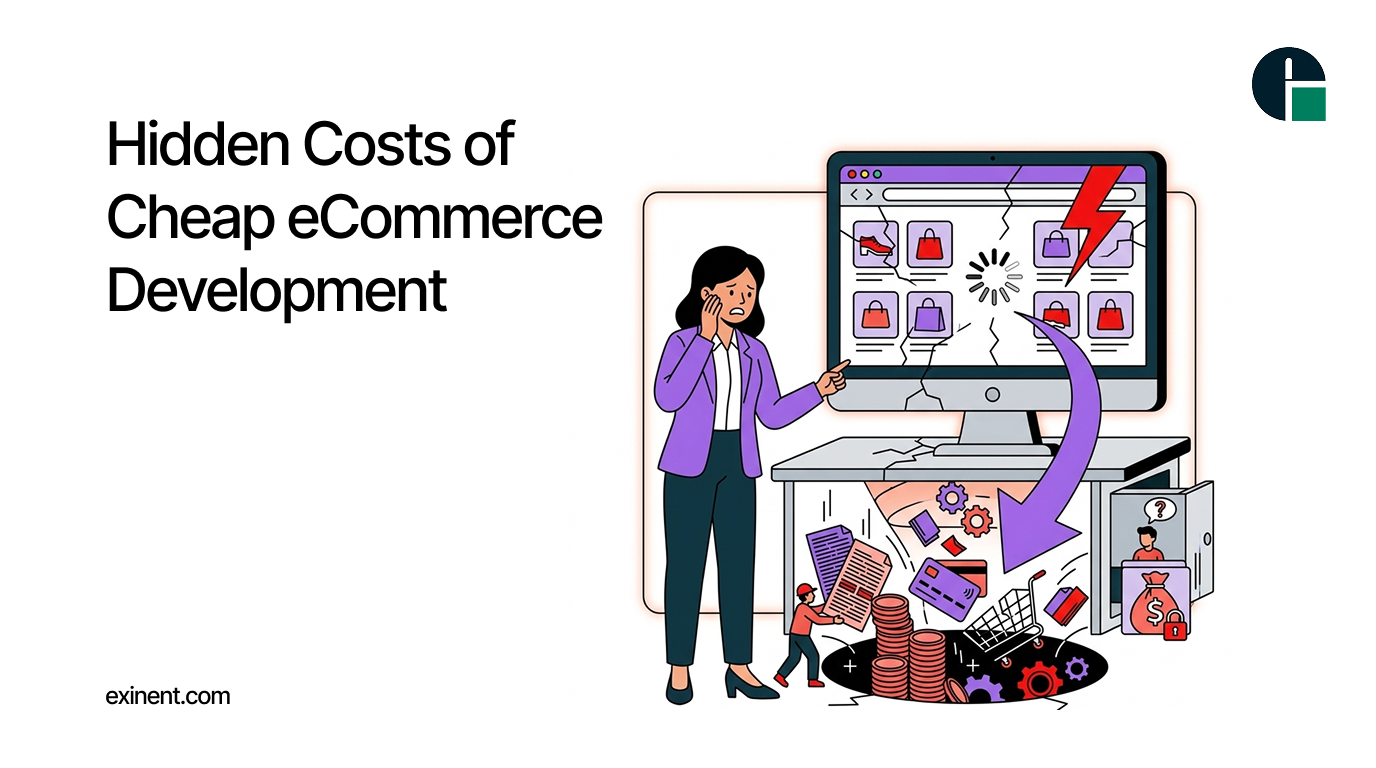
For many businesses, launching an online store is an exciting milestone. When budgets are tight, choosing the lowest-cost development option can seem like a smart financial decision. However, cheap eCommerce development often comes with hidden costs that can significantly impact your business over time.
While a low upfront price may look attractive, the long-term expenses associated with poor performance, security issues, and ongoing fixes can quickly outweigh the initial savings. Businesses that invest in quality E-commerce Development Services often experience better scalability, improved customer experiences, and stronger returns on investment.
In this article, we’ll explore the hidden costs of cheap eCommerce development and why investing in a reliable solution is essential for long-term success.
The Illusion of Saving Money
One of the biggest misconceptions about cheap eCommerce development is that it saves money. While the initial project cost may be lower, many businesses underestimate the total cost of ownership.
Research shows that ongoing expenses such as maintenance, security updates, performance optimization, and marketing often exceed the original development budget. Businesses frequently spend 30–50% more than expected because they fail to account for these hidden costs.
The result is a website that appears affordable initially but becomes expensive to maintain and improve later.
Poor Website Performance
Website speed and performance directly affect user experience and sales. Cheap development providers often use outdated coding practices, low-quality themes, or inadequate hosting environments to reduce costs.
These shortcuts can lead to:
- Slow page loading times
- Broken functionality
- Poor mobile responsiveness
- High bounce rates
When customers encounter a slow or frustrating shopping experience, they are more likely to leave without making a purchase. Search engines also consider website performance when determining rankings, making poor performance a double loss for businesses.
Security Vulnerabilities
Security is one area where cutting costs can become extremely expensive.
eCommerce websites process sensitive customer information, including payment details and personal data. Cheap development projects often lack proper security measures, regular updates, and compliance standards.
Potential consequences include:
- Data breaches
- Customer trust issues
- Regulatory penalties
- Chargebacks and fraud
- Reputation damage
Studies consistently show that customer trust is a major factor in online purchasing decisions. Security failures can permanently damage that trust and result in significant financial losses.
Expensive Maintenance and Repairs
Many low-cost developers focus solely on delivering the website rather than providing long-term support.
After launch, businesses often discover:
- Software updates are not included
- Security patches require additional fees
- Bugs need constant fixing
- New features become expensive to implement
What initially seemed like a budget-friendly project can quickly become a series of recurring expenses. Emergency fixes are usually more costly than proactive maintenance, making ongoing support an important consideration when selecting a development partner.
Limited Scalability
Your business may start small, but growth should always be part of the plan.
Cheap eCommerce solutions are often built without considering future expansion. As product catalogs grow, traffic increases, and customer expectations evolve, the website may struggle to keep up.
Common scalability issues include:
- Slow performance during traffic spikes
- Limited customization options
- Inability to integrate new tools
- Hosting limitations
- Database performance problems
Eventually, businesses may need to rebuild or migrate their entire store, resulting in significant costs and operational disruptions.
Hidden Third-Party Costs
Many low-cost eCommerce websites rely heavily on plugins, extensions, and third-party applications to provide essential functionality.
While these add-ons may seem inexpensive individually, costs can accumulate quickly through:
- Monthly subscriptions
- Annual license renewals
- Premium feature upgrades
- Integration fees
- Compatibility fixes
Businesses often discover that maintaining these tools costs far more than anticipated, especially as their requirements become more complex.
Poor SEO Foundations
A beautiful website is ineffective if customers cannot find it.
Cheap development projects frequently overlook important SEO elements such as:
- Site architecture
- Mobile optimization
- Structured data
- Page speed optimization
- Technical SEO best practices
Without these foundations, businesses may struggle to rank in search results and become overly dependent on paid advertising.
Investing in professional E-commerce Development Services ensures that SEO considerations are integrated into the website from the beginning, helping businesses attract sustainable organic traffic.
Lack of Integration Capabilities
Modern eCommerce businesses rely on multiple systems working together.
Examples include:
- CRM platforms
- Inventory management software
- Shipping providers
- Marketing automation tools
- Accounting systems
Cheap websites often lack the flexibility needed for seamless integrations. As a result, businesses spend more time on manual processes, increasing operational costs and reducing efficiency. Community discussions and industry reports consistently identify integration challenges as a major obstacle to eCommerce growth.
Brand Reputation Risks
Your website is often the first impression customers have of your business.
A poorly designed, unreliable, or outdated store can damage your brand image. Customers may question the legitimacy of the business if the website appears unprofessional or difficult to use.
Brand reputation is difficult to rebuild once trust is lost. Investing in quality development helps create a professional online presence that supports customer confidence and long-term loyalty.
Conclusion
Cheap eCommerce development may reduce upfront costs, but it often introduces hidden expenses that can significantly impact profitability and growth. Poor performance, security vulnerabilities, maintenance challenges, scalability limitations, and SEO issues frequently turn an inexpensive project into a costly long-term burden.
Successful eCommerce businesses view their website as a strategic investment rather than a one-time expense. By choosing experienced providers and professional E-commerce Development Services, businesses can build a secure, scalable, and high-performing online store that supports sustainable growth and delivers lasting value.
When evaluating development costs, focus on the total cost of ownership—not just the initial price tag. In most cases, building it right the first time is far less expensive than fixing it later.
FAQ’S :
What are the hidden costs of cheap eCommerce development?
Cheap eCommerce development often comes with hidden expenses such as bug fixes, security patches, performance optimization, and redesign costs. While the initial price may be low, businesses frequently spend more later to correct issues and improve functionality.
Why is low-cost eCommerce website development risky?
Low-cost development can lead to poor coding practices, weak security, and limited scalability. These issues may result in website downtime, data breaches, and higher maintenance costs as your business grows.
How can cheap eCommerce development affect website performance?
Budget development projects may use outdated frameworks or poorly optimized code. This can slow page load times, negatively impact user experience, and reduce conversion rates, leading to lost revenue.
Does cheap eCommerce development increase long-term maintenance costs?
Yes. Websites built with low-quality code often require frequent updates, troubleshooting, and repairs. Over time, maintenance expenses can exceed the amount initially saved on development.
What security problems can occur with inexpensive eCommerce websites?
Cheap development may overlook essential security measures such as SSL configuration, secure payment processing, and vulnerability testing. This increases the risk of cyberattacks, customer data theft, and compliance issues.
How does poor scalability become a hidden cost in eCommerce development?
A low-cost website may struggle to handle increased traffic, product catalogs, or new features. Businesses often need expensive upgrades or complete redevelopment when their online store outgrows its original infrastructure.
Can cheap eCommerce development hurt SEO rankings?
Yes. Poor site architecture, slow loading speeds, broken links, and technical errors can negatively affect search engine rankings. Lower visibility in search results can reduce organic traffic and sales opportunities.
What additional fees are often not included in cheap eCommerce development packages?
Many low-cost packages exclude services such as hosting, premium plugins, security monitoring, content migration, SEO optimization, and ongoing support. These extra costs can significantly increase the total project budget.
Is investing in professional eCommerce development worth the higher cost?
Professional development typically provides better code quality, stronger security, scalability, and long-term support. Although the upfront investment is higher, it often reduces future expenses and improves business performance.
How can businesses avoid the hidden costs of cheap eCommerce development?
Businesses should evaluate developer experience, review project portfolios, request detailed proposals, and understand ongoing support costs. Choosing a quality development partner helps prevent unexpected expenses and costly rebuilds later.