
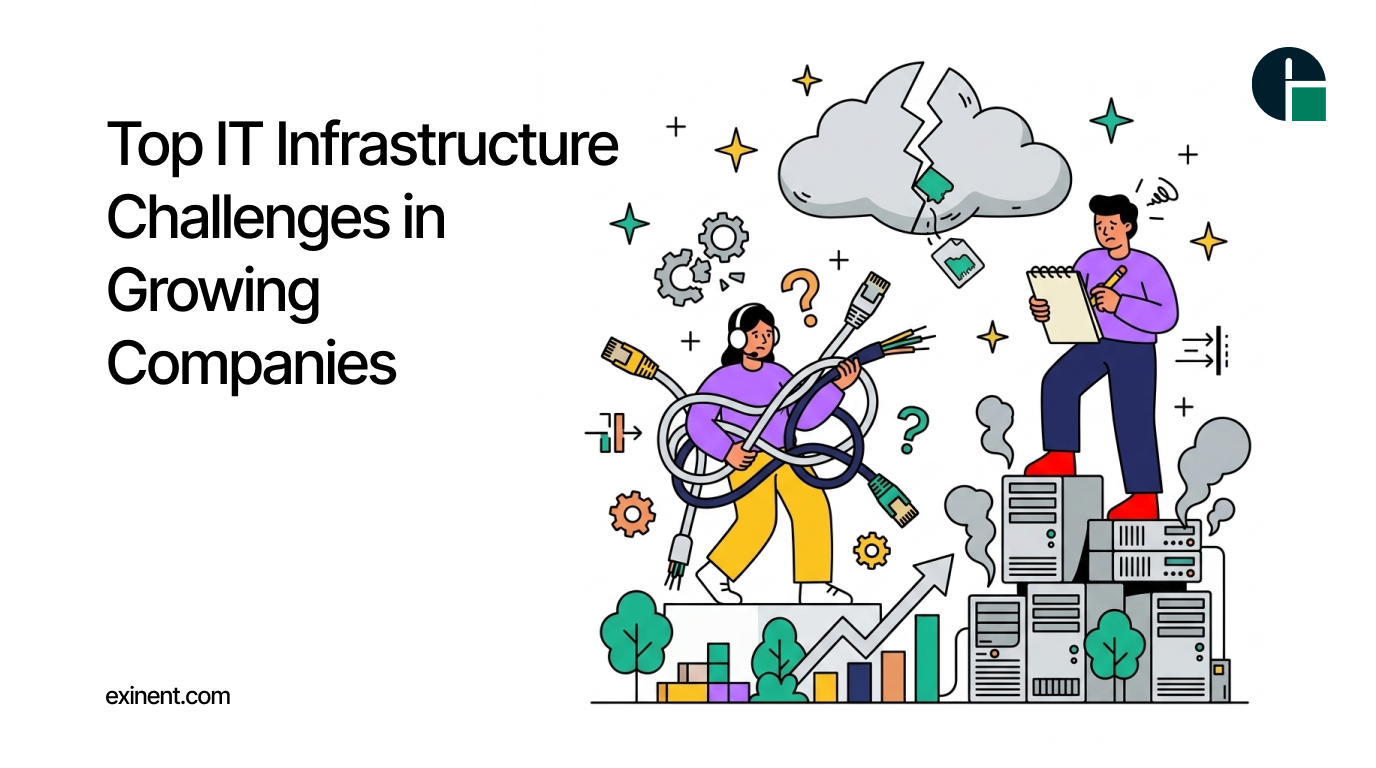
As businesses expand, their technology needs become increasingly complex. What once worked for a small team may quickly become inadequate as employee numbers grow, customer demands increase, and digital operations become more sophisticated. A strong IT infrastructure is essential for maintaining productivity, security, and business continuity. However, many growing companies face significant challenges when trying to scale their technology environments effectively.
Understanding these IT infrastructure challenges can help organizations prepare for growth and avoid costly disruptions.
Why IT Infrastructure Matters for Business Growth
IT infrastructure includes the hardware, software, networks, cloud platforms, data storage systems, and security solutions that support daily business operations. As a company grows, these systems must be capable of handling increased workloads, larger volumes of data, and more users.
Without a scalable infrastructure strategy, businesses may experience performance issues, security vulnerabilities, downtime, and operational inefficiencies that can hinder growth.
Common IT Infrastructure Challenges in Growing Companies
1. Scaling Technology Resources
One of the most common challenges businesses face is ensuring their infrastructure can scale alongside organizational growth. Systems that were designed for a small workforce often struggle to support larger teams and increased operational demands.
As businesses expand, they may need:
- Additional server capacity
- Enhanced cloud resources
- Increased storage space
- Better network performance
- More advanced collaboration tools
Failure to plan for scalability can result in slow applications, reduced productivity, and poor customer experiences.
2. Managing Increasing Cybersecurity Risks
Growth often brings greater cybersecurity exposure. More employees, devices, applications, and remote access points create additional opportunities for cybercriminals to exploit vulnerabilities.
Common security concerns include:
- Ransomware attacks
- Phishing attempts
- Data breaches
- Unauthorized access
- Endpoint vulnerabilities
Many growing organizations lack the internal expertise required to continuously monitor and strengthen their security posture. Partnering with professional Managed IT Services providers can help businesses implement proactive security measures, monitor threats, and maintain compliance with industry regulations.
3. Supporting Remote and Hybrid Workforces
Modern businesses increasingly rely on remote and hybrid work models. While these arrangements offer flexibility and productivity benefits, they also introduce infrastructure challenges.
Organizations must ensure employees have:
- Secure access to company resources
- Reliable VPN connections
- Cloud-based collaboration platforms
- Endpoint security protection
- Consistent user experiences across locations
Managing distributed work environments can strain IT teams, particularly when resources are limited.
4. Data Management and Storage Growth
Business growth naturally leads to increased data generation. Customer information, financial records, operational data, and business analytics all require secure storage and management.
Challenges include:
- Storage capacity limitations
- Data backup management
- Data recovery planning
- Regulatory compliance
- Data accessibility
Without a well-structured data management strategy, companies risk losing valuable information or experiencing operational disruptions due to inadequate storage solutions.
5. Legacy System Limitations
Many growing companies continue using outdated systems because replacing them can seem expensive or disruptive. However, legacy infrastructure often becomes a major obstacle to growth.
Older systems may suffer from:
- Poor performance
- Compatibility issues
- Limited scalability
- Security vulnerabilities
- High maintenance costs
Modernizing infrastructure enables businesses to improve efficiency, enhance security, and support future expansion more effectively.
6. Network Performance Bottlenecks
As organizations add users, applications, and connected devices, network demands increase significantly. Existing networks may struggle to handle higher traffic volumes.
Symptoms of network bottlenecks include:
- Slow application performance
- Frequent connectivity issues
- Video conferencing disruptions
- Delayed file transfers
- Reduced employee productivity
Regular network assessments and upgrades help ensure infrastructure can support evolving business requirements.
7. IT Budget Constraints
Growing businesses often face competing priorities for investment. While technology upgrades are necessary, budget limitations can delay critical infrastructure improvements.
Leaders must balance:
- Operational costs
- Security investments
- Infrastructure modernization
- Employee technology needs
- Business growth initiatives
Strategic planning and technology roadmaps help organizations allocate resources more effectively while minimizing unnecessary expenses.
8. Lack of IT Expertise
As technology environments become more sophisticated, managing infrastructure requires specialized knowledge. Many small and mid-sized companies struggle to recruit and retain experienced IT professionals.
Areas requiring expertise include:
- Cloud computing
- Cybersecurity
- Network management
- Compliance
- Disaster recovery
- Infrastructure optimization
Working with experienced Managed IT Services providers allows organizations to access enterprise-level expertise without the cost of building large internal IT teams.
9. Business Continuity and Disaster Recovery
Unexpected events such as cyberattacks, hardware failures, natural disasters, or power outages can significantly disrupt operations.
Many growing companies underestimate the importance of disaster recovery planning. Without proper preparation, downtime can lead to:
- Revenue loss
- Customer dissatisfaction
- Data loss
- Reputational damage
A comprehensive business continuity strategy should include data backups, recovery procedures, redundancy planning, and regular testing to ensure systems can be restored quickly.
Best Practices for Overcoming IT Infrastructure Challenges
To successfully support growth, organizations should adopt a proactive approach to infrastructure management. Key best practices include:
Invest in Scalable Solutions
Choose cloud-based and flexible technologies that can grow alongside your business needs.
Strengthen Cybersecurity
Implement multi-layered security measures, employee training, endpoint protection, and continuous monitoring.
Conduct Regular Infrastructure Assessments
Evaluate system performance, identify bottlenecks, and plan upgrades before problems impact operations.
Develop a Disaster Recovery Plan
Ensure critical data and systems can be recovered quickly following an outage or security incident.
Partner with IT Experts
Leverage external IT specialists to gain access to advanced skills, proactive monitoring, and strategic guidance.
Also Read :
Building a Scalable IT Infrastructure for Business Growth
Common Network Security Mistakes Small Businesses Make
How to Create an Effective Disaster Recovery Plan
Conclusion
Growth creates exciting opportunities, but it also introduces significant IT infrastructure challenges. From cybersecurity risks and data management concerns to scalability limitations and network performance issues, businesses must ensure their technology environments can support long-term expansion.
By investing in modern infrastructure, implementing proactive security strategies, and leveraging professional IT expertise, companies can build a reliable technology foundation that supports sustainable growth, improves operational efficiency, and enhances customer experiences. Organizations that address these challenges early are better positioned to remain competitive and adapt to future business demands.