
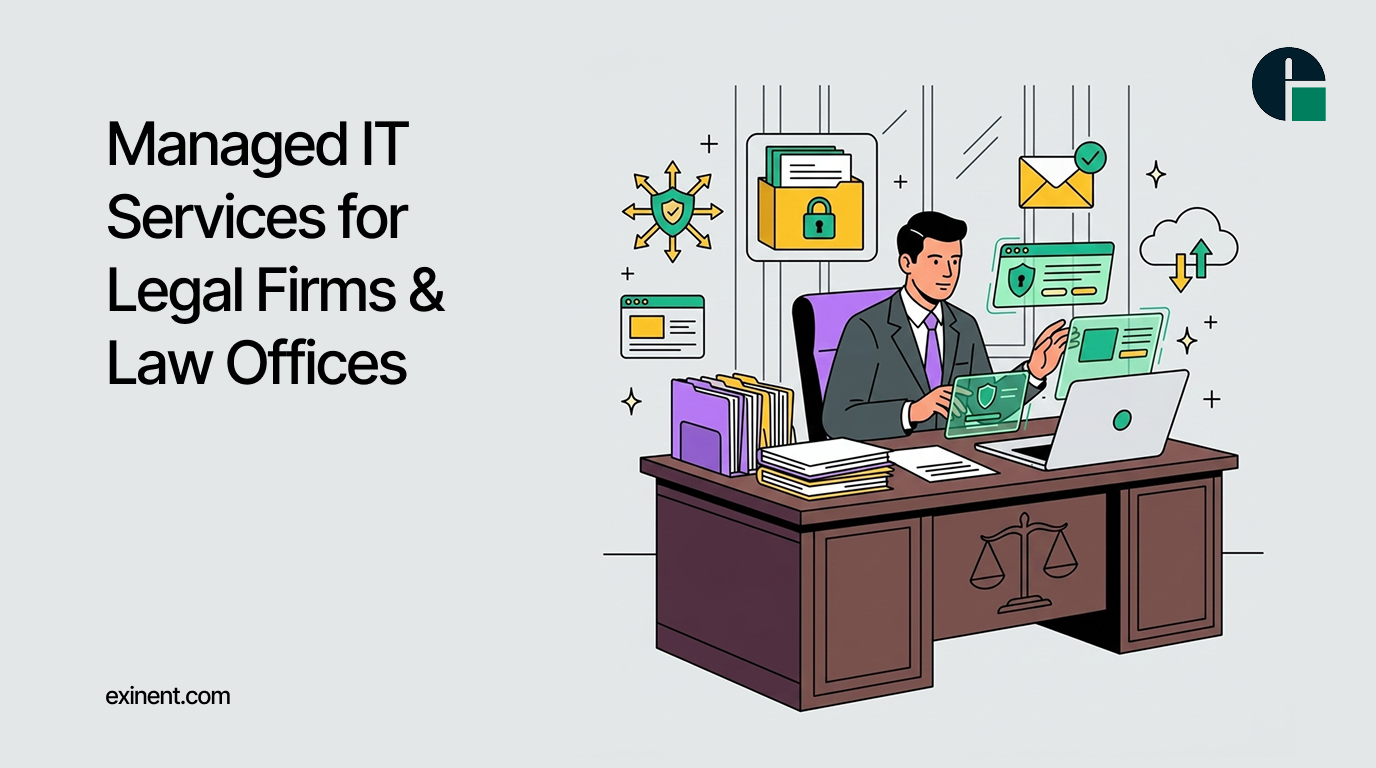
In today’s digital-first legal environment, technology plays a critical role in how law firms operate, communicate, store client information, and manage cases. Legal professionals handle highly sensitive data, strict compliance requirements, and demanding deadlines every day. As a result, having a secure and dependable IT infrastructure is no longer optional—it is essential.
This is where Managed IT Services become valuable. By partnering with a professional IT provider, law firms can improve security, reduce downtime, enhance productivity, and focus on delivering exceptional legal services to clients.
The Growing Technology Demands of Law Firms
Modern law offices rely on technology for neaector.
What Are Managed IT Services for Legal Firms?
Managed IT Services involve outsourcinrly every aspect of their operations. From document management systems and legal research platforms to video conferencing and cloud-based collaboration tools, legal professionals need reliable access to data and applications at all times.
At the same time, cybercriminals increasingly target law firms because they store confidential client information, financial records, contracts, and intellectual property. A single security breach can damage client trust, lead to compliance issues, and create significant financial losses.
Industry experts consistently highlight cybersecurity, compliance, uptime, and data protection as primary concerns for legal organizations. Law firms require specialized IT support that understands the unique challenges of the legal sg the management, monitoring, maintenance, and security of a firm’s technology It infrastructure to an experienced IT provider. These services typically include:
- 24/7 network monitoring
- Cybersecurity management
- Cloud services and migration
- Data backup and disaster recovery
- Help desk support
- Microsoft 365 management
- Endpoint protection
- Compliance support
- Strategic IT planning
By proactively managing systems and resolving issues before they become major problems, Managed IT providers help law firms maintain uninterrupted operations and improve overall efficiency.
For firms looking to strengthen their technology environment, professional Managed IT Services can provide comprehensive support and security solutions
Why Law Firms Need Managed IT Support
1. Enhanced Cybersecurity Protection
Law firms are attractive targets for cyberattacks due to the valuable information they possess. Client records, litigation documents, financial transactions, and confidential communications must remain protected.
Managed IT providers implement multiple layers of security, including:
- Multi-factor authentication
- Advanced endpoint protection
- Threat monitoring
- Security awareness training
- Email security solutions
- Data encryption
Strong cybersecurity practices significantly reduce the risk of ransomware, phishing attacks, and data breaches. Legal industry experts continue to emphasize that cybersecurity fundamentals remain critical for firms of all sizes.
2. Reliable Access to Critical Legal Data
Attorneys need immediate access to documents, case files, contracts, and client communications. Any system downtime can delay legal work and impact client service.
Managed IT providers ensure systems remain available through:
- Proactive monitoring
- Regular maintenance
- Cloud infrastructure management
- Business continuity planning
- Rapid incident response
This reliability allows legal professionals to focus on billable work instead of technology issues.
3. Compliance and Risk Management
Law firms must comply with various ethical obligations and data protection requirements. Failure to safeguard client information can create legal and reputational consequences.
Managed IT teams help establish:
- Security policies
- Data retention strategies
- Access controls
- Audit readiness processes
- Compliance monitoring
Well-documented policies and governance frameworks support both operational efficiency and regulatory compliance.
4. Secure Remote and Hybrid Work
Many legal professionals now work remotely or operate in hybrid environments. Attorneys need secure access to case files, communication platforms, and legal applications from any location.
Managed IT providers support remote work through:
- Secure cloud environments
- Virtual desktops
- VPN solutions
- Mobile device management
- Secure collaboration platforms
These solutions maintain productivity while protecting sensitive client data.
The Role of AI and Emerging Technologies in Legal IT
Artificial intelligence is becoming increasingly important within the legal industry. Law firms are adopting AI-powered tools to improve research, document analysis, compliance monitoring, and knowledge management.
Recent developments show legal organizations actively investing in AI technologies to improve efficiency and service delivery. However, these innovations require proper governance, cybersecurity controls, and IT management to ensure secure implementation.
A trusted Managed IT partner can help law firms evaluate, deploy, and secure emerging technologies while maintaining compliance and protecting sensitive information.
Key Benefits of Managed IT Services for Law Offices
When implemented effectively, Managed IT Services offer numerous advantages:
- Improved cybersecurity and threat protection
- Reduced downtime and technology disruptions
- Predictable monthly IT costs
- Enhanced productivity and collaboration
- Better compliance and risk management
- Scalable technology infrastructure
- Faster technical support
- Stronger disaster recovery capabilities
- Improved client confidence and trust
By outsourcing IT management, law firms gain access to experienced specialists without the expense of maintaining a large internal IT department.
Choosing the Right Managed IT Partner
Not all IT providers understand the unique requirements of legal organizations. When selecting a Managed IT partner, law firms should look for:
- Experience supporting legal clients
- Strong cybersecurity expertise
- 24/7 monitoring and support
- Cloud and Microsoft 365 capabilities
- Compliance knowledge
- Disaster recovery solutions
- Proven service delivery record
Working with an experienced provider ensures your technology aligns with your firm’s operational and security goals.
Final Thoughts
Technology has become a foundational component of modern legal practice. As cyber threats grow more sophisticated and client expectations continue to evolve, law firms must invest in secure, reliable, and scalable IT solutions.
Professional Managed IT Services help legal firms protect sensitive information, maintain compliance, improve productivity, and support long-term growth. By partnering with the right IT provider, attorneys can spend less time dealing with technology challenges and more time serving clients effectively.
FAQ’S :
What is managed IT for legal firms and law offices?
Managed IT for legal firms is an outsourced technology service that handles IT support, cybersecurity, cloud management, data backup, and network monitoring. It helps law offices maintain secure and reliable systems without hiring a full in-house IT team. The goal is to improve efficiency while protecting sensitive client information.
How does managed IT support work for law firms?
A managed IT provider remotely monitors and manages a law firm’s technology infrastructure. Services typically include help desk support, software updates, cybersecurity protection, and data backups. Most providers offer 24/7 monitoring to identify and resolve issues before they affect operations.
Why do law offices need managed IT services?
Law offices handle confidential client records, contracts, and case files that require strong security and compliance. Managed IT services help reduce downtime, improve data protection, and ensure systems remain updated. This allows legal professionals to focus on clients instead of technology issues.
What are the benefits of managed IT services for legal firms?
Managed IT services improve cybersecurity, system reliability, and operational efficiency. Benefits include proactive monitoring, faster technical support, secure cloud access, and disaster recovery planning. Many firms also reduce IT costs by using predictable monthly service plans.
How much does managed IT for a law firm cost?
The cost depends on the number of users, devices, and required services. Small law firms may pay a few hundred dollars per month, while larger firms often invest several thousand dollars monthly. Pricing usually includes monitoring, support, security, and maintenance services.
Can managed IT services help law firms meet compliance requirements?
Yes. Managed IT providers help law firms implement security controls, data encryption, access management, and audit trails. These measures support compliance with legal industry standards and client data protection requirements. Regular security assessments also help identify potential risks.
What cybersecurity services are included in managed IT for law offices?
Most managed IT plans include firewall management, endpoint protection, email security, multi-factor authentication, and threat monitoring. Some providers also offer security awareness training for employees. These services help protect firms from ransomware, phishing attacks, and data breaches.
Is cloud migration a good option for legal firms?
Cloud migration allows attorneys and staff to securely access files from any location. It can improve collaboration, scalability, and disaster recovery capabilities. A managed IT provider can help migrate legal applications and documents while minimizing disruption to daily operations.
What happens if a law firm’s server or systems fail?
Managed IT providers use backup and disaster recovery solutions to restore data and systems quickly. Recovery plans help minimize downtime and reduce the risk of losing important legal documents. Many firms can resume operations within hours rather than days.
How do I choose the best managed IT provider for a law office?
Look for a provider with experience supporting legal firms, strong cybersecurity expertise, and responsive support. Ask about service level agreements (SLAs), compliance knowledge, backup solutions, and client references. A provider that understands legal workflows can deliver more effective IT support.