
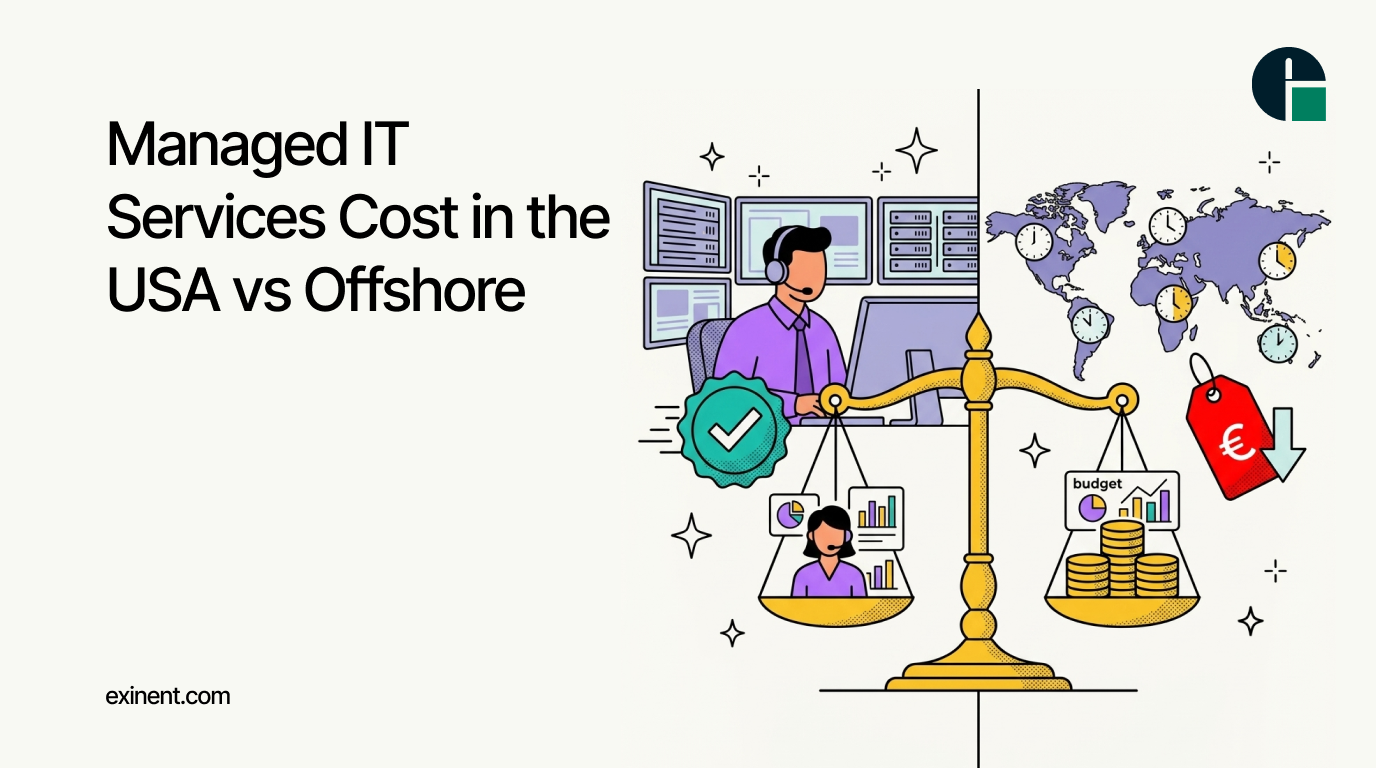
As businesses continue to embrace digital transformation, IT infrastructure has become a critical component of daily operations. From cybersecurity and cloud management to helpdesk support and network monitoring, organizations rely heavily on technology to stay competitive. One of the biggest decisions companies face is whether to invest in U.S.-based managed IT support or outsource services offshore.
Understanding the cost differences between domestic and offshore providers can help businesses make informed decisions that balance budget, performance, security, and long-term growth.
What Are Managed IT Services?
Managed IT Services involve outsourcing the management, monitoring, maintenance, and support of an organization’s IT environment to a specialized provider. These services typically include network management, cybersecurity, cloud support, data backup, disaster recovery, software updates, and technical support. According to industry reports, managed services have become a preferred solution for businesses seeking predictable IT costs and access to specialized expertise.
Organizations often partner with a professional Managed IT Services provider to reduce operational complexity while ensuring their technology remains secure and reliable.
Managed IT Services Cost in the USA
Managed IT service pricing in the United States varies depending on company size, infrastructure complexity, security requirements, and service-level agreements. Most U.S.-based providers charge using a per-user or per-device model.
Current industry data shows that comprehensive managed IT services in the U.S. typically range between $100 and $300 per user per month, with many businesses paying between $150 and $250 per user monthly for full-service support.
For example:
- Small businesses (10–25 employees): $1,500–$6,000 per month
- Mid-sized businesses (25–100 employees): $3,500–$15,000 per month
- Enterprise organizations: Custom pricing based on infrastructure and compliance requirements
These costs often include:
- 24/7 monitoring
- Helpdesk support
- Cybersecurity management
- Cloud administration
- Patch management
- Backup and disaster recovery
- Strategic IT consulting
While U.S.-based providers generally cost more, businesses benefit from local expertise, stronger regulatory compliance knowledge, and easier communication.
Offshore Managed IT Services Cost
Offshore managed IT services are typically delivered from countries such as India, the Philippines, Eastern Europe, and Latin America. The primary attraction is cost savings.
Depending on the location and scope of services, offshore providers may charge 30% to 70% less than comparable U.S.-based providers. Businesses can often access skilled IT professionals at significantly lower labor costs while maintaining acceptable service quality.
Typical offshore pricing may range from:
- $30–$100 per user per month for basic support
- $50–$150 per user per month for advanced managed services
- Dedicated technical resources at hourly rates substantially below U.S. averages
These lower costs stem largely from regional wage differences and lower operational expenses rather than reduced technical capabilities.
Key Cost Factors to Consider
When comparing U.S. and offshore providers, businesses should evaluate more than just monthly pricing.
1. Labor Costs
Labor represents the largest component of managed IT service pricing. U.S.-based technicians, engineers, and cybersecurity specialists command significantly higher salaries than their offshore counterparts.
2. Service Availability
Many offshore providers offer round-the-clock support due to time zone advantages. However, businesses should verify response times and escalation procedures before signing a contract.
3. Cybersecurity and Compliance
Organizations operating in regulated industries such as healthcare, finance, or government contracting often require strict compliance with standards and regulations. U.S.-based providers may have greater experience supporting these requirements.
4. Communication and Collaboration
Language proficiency and cultural alignment can influence project success. While many offshore teams provide excellent communication, businesses should evaluate communication processes carefully.
5. Hidden Costs
Some providers advertise low rates but charge additional fees for onboarding, after-hours support, onsite visits, security enhancements, or project work. Industry research indicates these hidden costs can increase overall spending significantly.
USA vs Offshore: Cost Comparison
| Factor | USA-Based Provider | Offshore Provider |
|---|---|---|
| Monthly Cost | Higher | Lower |
| Technical Expertise | High | High (varies by provider) |
| Time Zone Alignment | Excellent | May vary |
| Regulatory Compliance | Strong | Depends on provider |
| Communication | Easier | Varies by region |
| Security Oversight | Strong | Requires evaluation |
| Scalability | Excellent | Excellent |
Which Option Provides Better Value?
The answer depends on business priorities.
Companies that prioritize compliance, local support, strategic consulting, and direct collaboration often find U.S.-based managed services worth the premium investment.
Organizations focused on reducing operational expenses while maintaining essential IT functions may benefit from offshore services. Many businesses adopt a hybrid approach, using offshore teams for routine support while retaining domestic experts for strategic initiatives and cybersecurity oversight.
Businesses evaluating long-term technology partnerships should look beyond hourly rates and consider service quality, expertise, security practices, and business outcomes.
For organizations seeking scalable, secure, and cost-effective IT management solutions, partnering with an experienced Managed IT Services provider can help maximize value while minimizing operational risks.
Conclusion
Managed IT services continue to play a vital role in helping organizations manage increasingly complex technology environments. While U.S.-based providers typically cost more, they often deliver advantages in compliance, communication, and strategic guidance. Offshore providers can offer substantial savings and access to global talent pools.
The most successful businesses evaluate both cost and value when selecting a provider. By understanding the differences between U.S. and offshore managed IT services, decision-makers can choose a solution that aligns with their budget, operational requirements, and growth objectives.
FAQ’S :
What is the difference between USA-based and offshore managed IT services costs?
USA-based managed IT services typically cost between $100 and $250 per user per month, while offshore providers may charge $30 to $100 per user per month. The price difference is mainly due to labor costs, operational expenses, and location. Offshore services can reduce IT spending by 30%–70%.
Why are offshore managed IT services usually cheaper than US providers?
Offshore IT providers operate in countries with lower labor and infrastructure costs. This allows them to offer similar support services at a lower price. However, service quality, communication, and time zone alignment can vary between providers.
Is offshore managed IT support worth the cost savings?
Offshore managed IT support can be worth it for businesses focused on reducing operational expenses. Companies can save significantly while accessing skilled IT professionals. Success depends on selecting a provider with strong security standards, clear communication, and reliable service-level agreements (SLAs).
How much can a business save by outsourcing IT services offshore?
Many businesses save between 30% and 70% compared to hiring a US-based managed IT provider. For example, a service costing $5,000 per month in the USA may cost $1,500–$3,500 offshore. Actual savings depend on support requirements and service scope.
What services are included in managed IT support in the USA and offshore?
Both USA and offshore managed IT providers commonly offer network monitoring, help desk support, cybersecurity, cloud management, data backup, and software updates. Some providers also include strategic IT consulting and compliance management. Service offerings vary by provider and pricing package.
Are there any risks of choosing low-cost offshore managed IT services?
Yes. Potential risks include communication challenges, slower response times, data security concerns, and limited local support. Businesses should evaluate certifications, security policies, client reviews, and SLA commitments before selecting an offshore partner.
How do time zones affect offshore managed IT service costs and support?
Different time zones can either benefit or challenge support operations. Many offshore providers offer 24/7 monitoring and support, which can improve coverage. However, scheduling meetings and handling urgent issues may require careful coordination.
Which is better for small businesses: US-based or offshore managed IT services?
Small businesses focused on cost reduction often benefit from offshore managed IT services. Businesses requiring local on-site support, industry-specific compliance, or direct communication may prefer US-based providers. The best choice depends on budget, business goals, and support needs.
How can I compare managed IT service pricing between USA and offshore providers?
Compare providers based on monthly costs, included services, response times, cybersecurity capabilities, SLA terms, and customer reviews. Do not evaluate providers solely on price. A lower-cost provider may result in higher expenses if service quality is poor.
What factors influence managed IT services pricing in the USA and offshore?
Pricing depends on the number of users, devices, support hours, cybersecurity requirements, cloud infrastructure, compliance needs, and service complexity. Businesses with advanced security or regulatory requirements generally pay higher rates regardless of provider location