
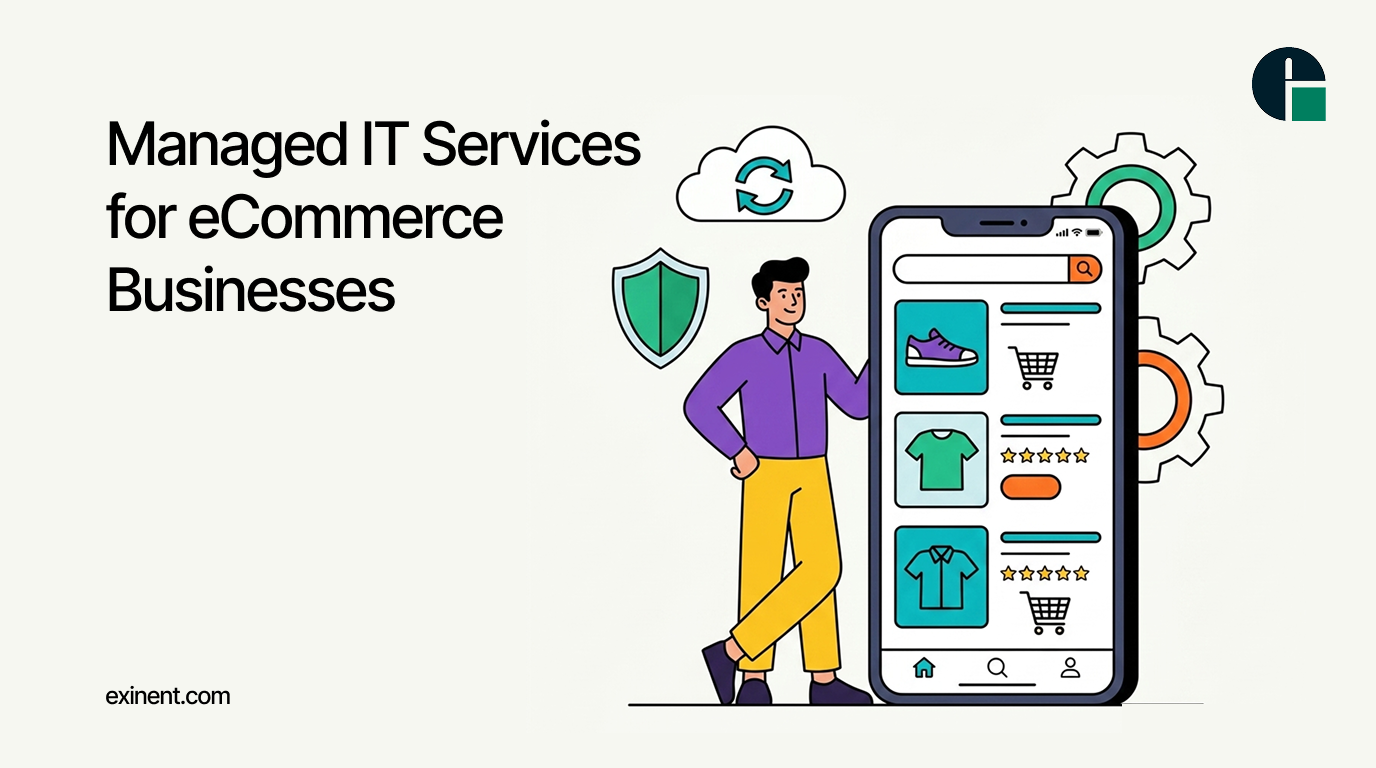
In today’s competitive digital marketplace, eCommerce businesses rely heavily on technology to deliver seamless shopping experiences, process transactions securely, and manage customer data efficiently. Any disruption in IT operations can lead to lost sales, reduced customer trust, and damage to brand reputation. This is why many online retailers are turning to Managed IT Services to ensure their technology infrastructure remains secure, scalable, and reliable.
As eCommerce continues to grow, businesses face increasing challenges such as cybersecurity threats, website downtime, cloud management complexities, and rising operational costs. Managed IT service providers help address these challenges by offering proactive monitoring, technical support, infrastructure management, and cybersecurity solutions that keep online stores running smoothly.
What Are Managed IT Services?
Managed IT Services involve outsourcing IT management and support responsibilities to a specialized provider known as a Managed Service Provider (MSP). These providers monitor, maintain, and optimize a company’s IT infrastructure, allowing internal teams to focus on business growth rather than technical issues. Managed services typically include network management, cloud support, cybersecurity, data backup, disaster recovery, and 24/7 monitoring.
For eCommerce businesses, managed IT services play a critical role in ensuring websites remain available, transactions are secure, and customer experiences remain uninterrupted.
Why eCommerce Businesses Need Managed IT Services
1. Minimized Website Downtime
Website availability directly impacts revenue for online retailers. Even a few minutes of downtime during peak shopping periods can result in significant financial losses. Managed IT providers use proactive monitoring and maintenance strategies to identify and resolve issues before they affect business operations. This helps maintain high uptime and ensures customers can shop without interruptions.
2. Enhanced Cybersecurity
Cyberattacks targeting eCommerce businesses continue to increase. Online stores handle sensitive customer information, including payment details and personal data, making them attractive targets for hackers. Managed IT services implement advanced security measures such as threat monitoring, firewall management, malware protection, security patches, and compliance support to reduce risks.
Strong cybersecurity not only protects business assets but also helps maintain customer trust and regulatory compliance.
3. Scalability for Business Growth
As eCommerce businesses grow, their IT requirements become more complex. Seasonal sales, marketing campaigns, and rapid customer growth can place significant demands on infrastructure. Managed IT providers help businesses scale resources efficiently, ensuring systems can handle increased traffic without performance issues.
Whether expanding product catalogs or entering new markets, scalable IT infrastructure supports sustainable growth.
4. Predictable IT Costs
Maintaining an in-house IT department can be expensive, especially for small and medium-sized eCommerce businesses. Managed IT services typically operate on predictable monthly pricing models, helping organizations better manage budgets while gaining access to experienced IT professionals and advanced technologies.
This predictable cost structure allows businesses to invest more confidently in growth initiatives.
Key Managed IT Services for eCommerce Companies
24/7 Monitoring and Support
Online stores operate around the clock, and technical issues can occur at any time. Managed IT providers offer continuous monitoring and support to quickly detect and resolve problems before they impact customers. This proactive approach helps maintain optimal performance and customer satisfaction.
Cloud Infrastructure Management
Many eCommerce platforms rely on cloud environments for flexibility and scalability. Managed IT providers oversee cloud resources, optimize performance, manage backups, and ensure infrastructure remains secure and cost-effective.
Data Backup and Disaster Recovery
Unexpected events such as cyberattacks, hardware failures, or natural disasters can threaten critical business data. Managed IT services implement automated backup solutions and disaster recovery plans to minimize downtime and ensure business continuity.
Security and Compliance Management
Compliance requirements such as PCI DSS are essential for eCommerce businesses handling payment information. Managed IT providers help implement security controls, monitor compliance, and conduct regular audits to reduce risks and maintain industry standards.
Benefits of Partnering with a Managed IT Service Provider
Working with a trusted provider enables eCommerce businesses to focus on delivering exceptional customer experiences rather than managing technology challenges. Some key benefits include:
- Improved website uptime and performance
- Enhanced cybersecurity protection
- Reduced operational risks
- Access to experienced IT professionals
- Faster issue resolution
- Scalable technology infrastructure
- Predictable IT spending
- Improved customer satisfaction
Businesses that leverage managed services can respond more effectively to market demands while maintaining secure and reliable operations.
Choosing the Right Managed IT Partner
Selecting the right managed IT provider is crucial for long-term success. Businesses should evaluate providers based on their industry experience, service offerings, response times, security expertise, and scalability capabilities.
A reliable provider should offer proactive monitoring, strong cybersecurity practices, cloud management expertise, and a proven track record of supporting eCommerce operations. Companies looking to strengthen their technology infrastructure can benefit from professional Managed IT Services designed to support growth, security, and operational efficiency.
Additionally, organizations should consider providers that understand eCommerce platforms and can integrate with existing systems to ensure seamless operations.
Also Read :
IT Support Challenges for Growing Companies Explained
How to Build a High-Performing IT Team: A Step-by-Step Guide
Conclusion
Technology serves as the backbone of every successful eCommerce business. From maintaining website performance to protecting customer data and supporting business growth, IT plays a critical role in daily operations. Managed IT Services provide the expertise, tools, and proactive support needed to keep online stores running efficiently in an increasingly competitive market.
By partnering with an experienced provider, eCommerce businesses can reduce downtime, strengthen security, control costs, and focus on what matters most—growing their business and delivering outstanding customer experiences. For companies seeking reliable technology support, investing in professional Managed IT Services is a strategic decision that delivers long-term value and business resilience.
FAQ’S :
What are managed IT services for eCommerce businesses?
Managed IT services for eCommerce businesses involve outsourcing IT management, monitoring, security, and support to a specialized provider. These services help online stores maintain website uptime, protect customer data, and manage cloud infrastructure. Businesses receive ongoing technical support without hiring a large in-house IT team.
How do managed IT services support an eCommerce website?
Managed IT providers monitor servers, networks, databases, and applications 24/7. They identify and resolve issues before they affect customers. This helps reduce downtime, improve website performance, and ensure a smoother online shopping experience.
Why are managed IT services important for online stores?
eCommerce businesses depend on website availability and secure transactions. Managed IT services help prevent outages, cyberattacks, and technical failures. They also support compliance requirements and ensure critical systems remain operational during peak sales periods.
How much do managed IT services for eCommerce businesses cost?
Costs vary based on business size, infrastructure complexity, and support requirements. Small eCommerce businesses may spend a few hundred dollars per month, while larger companies may invest several thousand. Most providers offer fixed monthly pricing with predictable costs.
Can managed IT services improve eCommerce cybersecurity?
Yes. Managed IT providers implement firewalls, endpoint protection, multi-factor authentication, security monitoring, and threat detection. They also perform regular updates and vulnerability assessments to reduce the risk of data breaches and ransomware attacks.
What are the benefits of outsourcing IT support for an eCommerce business?
Outsourcing IT support reduces operational costs and provides access to experienced IT professionals. Businesses gain 24/7 monitoring, faster issue resolution, and stronger cybersecurity. This allows internal teams to focus on sales, marketing, and customer service.
How do managed IT services help during high-traffic sales events?
Managed IT teams monitor system performance and optimize infrastructure before major events such as holiday sales or product launches. They can scale cloud resources, manage server loads, and respond quickly to issues. This helps maintain website speed and availability during traffic spikes.
What should I look for in a managed IT service provider for eCommerce?
Choose a provider with experience supporting eCommerce platforms, cloud environments, and cybersecurity requirements. Look for 24/7 monitoring, clear service-level agreements (SLAs), data backup solutions, and disaster recovery capabilities. Industry expertise can improve long-term reliability.
Do managed IT services include data backup and disaster recovery?
Most managed IT service providers offer automated backups and disaster recovery planning. These services help restore systems and data quickly after hardware failures, cyberattacks, or accidental data loss. Regular testing ensures recovery processes work when needed.
Are managed IT services worth it for small eCommerce businesses?
Yes. Managed IT services provide enterprise-level support and security without the cost of a full in-house IT department. Small businesses can access advanced tools, proactive monitoring, and expert guidance while keeping IT expenses predictable and manageable.