
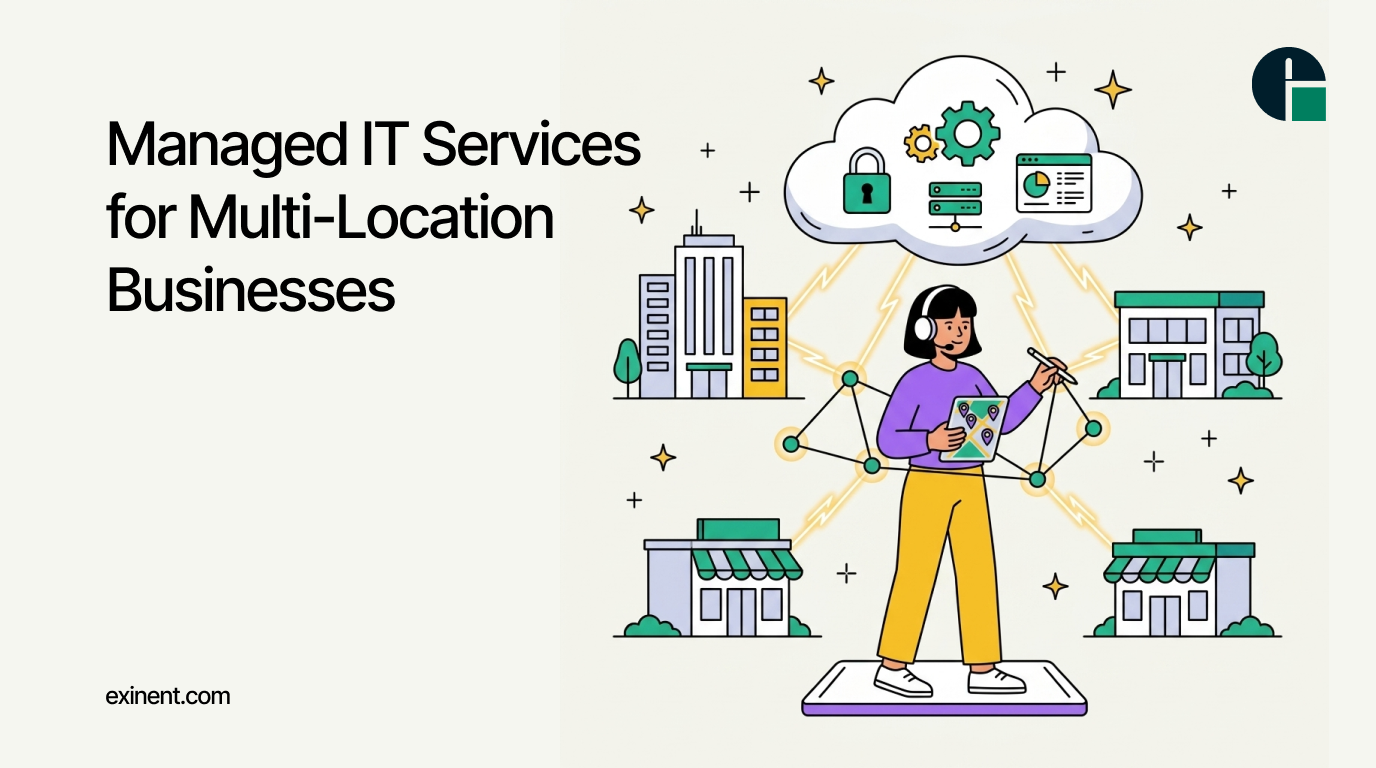
Managing IT infrastructure becomes increasingly complex as businesses expand across multiple locations. Whether you operate retail stores, healthcare facilities, corporate offices, manufacturing plants, or franchise networks, maintaining consistent technology performance across geographically dispersed sites can be challenging. This is where Managed IT Services play a crucial role.
Businesses with multiple locations need reliable, secure, and scalable IT solutions to ensure seamless operations, effective communication, and consistent customer experiences. Partnering with a trusted provider of Managed IT Services helps organizations centralize IT management while reducing operational costs and minimizing downtime.
The Growing IT Challenges of Multi-Location Businesses
As organizations expand, their IT environments become more complicated. Each location may have different hardware, software, network requirements, and user needs. Without proper management, businesses can face:
- Inconsistent IT performance across locations
- Increased cybersecurity risks
- Difficulty managing software updates
- Communication and collaboration issues
- Higher operational costs
- Limited visibility into network health
- Increased downtime and productivity losses
Managing these challenges internally often requires a large IT team, significant investments, and specialized expertise. Many growing businesses find it difficult to maintain these resources while focusing on their core operations.
What Are Managed IT Services?
Managed IT Services involve outsourcing IT management, monitoring, maintenance, and support to a specialized service provider. These providers proactively manage an organization’s technology infrastructure, ensuring systems remain secure, updated, and optimized.
Services typically include:
- Network monitoring and management
- Help desk support
- Cybersecurity protection
- Cloud management
- Data backup and disaster recovery
- Software updates and patch management
- Infrastructure optimization
- Compliance support
For multi-location businesses, managed services provide centralized oversight while supporting the unique needs of individual locations.
Also Read :
Top Signs Your Business Needs a Managed IT Service Provider
Cybersecurity Risks Facing Multi-Location Businesses
IT Support Strategies for Hybrid Work Environments
Benefits of Managed IT Services for Multi-Location Businesses
1. Centralized IT Management
One of the biggest advantages of managed IT services is centralized control. Instead of managing separate IT systems at each location, businesses can oversee all networks, devices, and applications from a unified platform.
This centralized approach allows IT administrators to:
- Monitor all locations in real time
- Deploy updates consistently
- Standardize security policies
- Troubleshoot issues remotely
- Generate comprehensive performance reports
As a result, businesses gain better visibility and control over their entire technology environment.
2. Enhanced Cybersecurity Across Locations
Cybersecurity threats continue to grow in both frequency and sophistication. Multi-location businesses often present a larger attack surface because they operate numerous endpoints, networks, and users.
Managed IT providers implement enterprise-grade security measures, including:
- Endpoint protection
- Firewall management
- Threat detection and response
- Multi-factor authentication
- Security monitoring
- Employee security awareness training
By maintaining consistent security standards across every location, businesses can significantly reduce their risk of cyberattacks and data breaches.
3. Reduced Downtime and Improved Reliability
System outages can disrupt operations, impact customer service, and result in lost revenue. Managed IT providers use proactive monitoring tools to identify potential issues before they become major problems.
Benefits include:
- Faster issue resolution
- 24/7 monitoring
- Preventive maintenance
- Reduced service interruptions
- Improved system uptime
This proactive approach helps keep all business locations operational and productive.
4. Consistent Technology Standards
As businesses grow, different locations may adopt different technologies, creating compatibility issues and inefficiencies. Managed IT services help establish standardized hardware, software, and security protocols across the organization.
Standardization delivers:
- Simplified support processes
- Improved user experience
- Easier employee onboarding
- Better security compliance
- Reduced maintenance complexity
Consistency is particularly important for businesses with franchise or branch-based operating models.
5. Scalable Support for Business Growth
Business growth often requires rapid technology expansion. Opening new locations can place significant strain on internal IT teams.
Managed IT providers help organizations scale efficiently by supporting:
- New office deployments
- Network expansion
- Cloud migrations
- Device provisioning
- User onboarding
This flexibility enables businesses to grow without constantly increasing internal IT resources.
Cloud Solutions for Multi-Location Operations
Cloud technology has become essential for multi-location businesses. Employees need secure access to data, applications, and collaboration tools regardless of their location.
Managed IT providers assist with:
- Cloud infrastructure management
- Microsoft 365 administration
- Data synchronization
- Remote workforce support
- Cloud security monitoring
Organizations seeking to modernize their operations often combine cloud solutions with professional Managed IT Services to ensure seamless deployment and ongoing management.
Disaster Recovery and Business Continuity
Unexpected events such as cyberattacks, hardware failures, natural disasters, or power outages can severely impact business operations.
Managed IT services include comprehensive disaster recovery strategies that protect critical business data and ensure rapid recovery when incidents occur.
Key components include:
- Automated data backups
- Recovery planning
- Failover systems
- Cloud-based recovery solutions
- Regular testing and validation
These measures help businesses maintain continuity across all locations even during major disruptions.
Choosing the Right Managed IT Provider
Not all Managed IT Service Providers offer the same level of expertise. Multi-location businesses should look for a provider that offers:
- Experience supporting distributed organizations
- 24/7 monitoring and support
- Strong cybersecurity capabilities
- Cloud and network management expertise
- Scalable service offerings
- Clear service-level agreements (SLAs)
- Proven track record of reliability
A strategic technology partner should not only resolve technical issues but also help align IT investments with long-term business goals.
Conclusion
Multi-location businesses face unique IT challenges that require a strategic and proactive approach. From maintaining consistent security standards to supporting business growth and minimizing downtime, effective IT management is critical to long-term success.
Managed IT Services provide the expertise, tools, and support necessary to centralize operations, improve security, and enhance performance across every business location. By partnering with a trusted managed services provider, organizations can focus on growth, customer satisfaction, and innovation while leaving complex IT management in expert hands.
As technology continues to drive business success, investing in professional managed IT support is no longer a luxury—it’s a strategic necessity for multi-location organizations.