
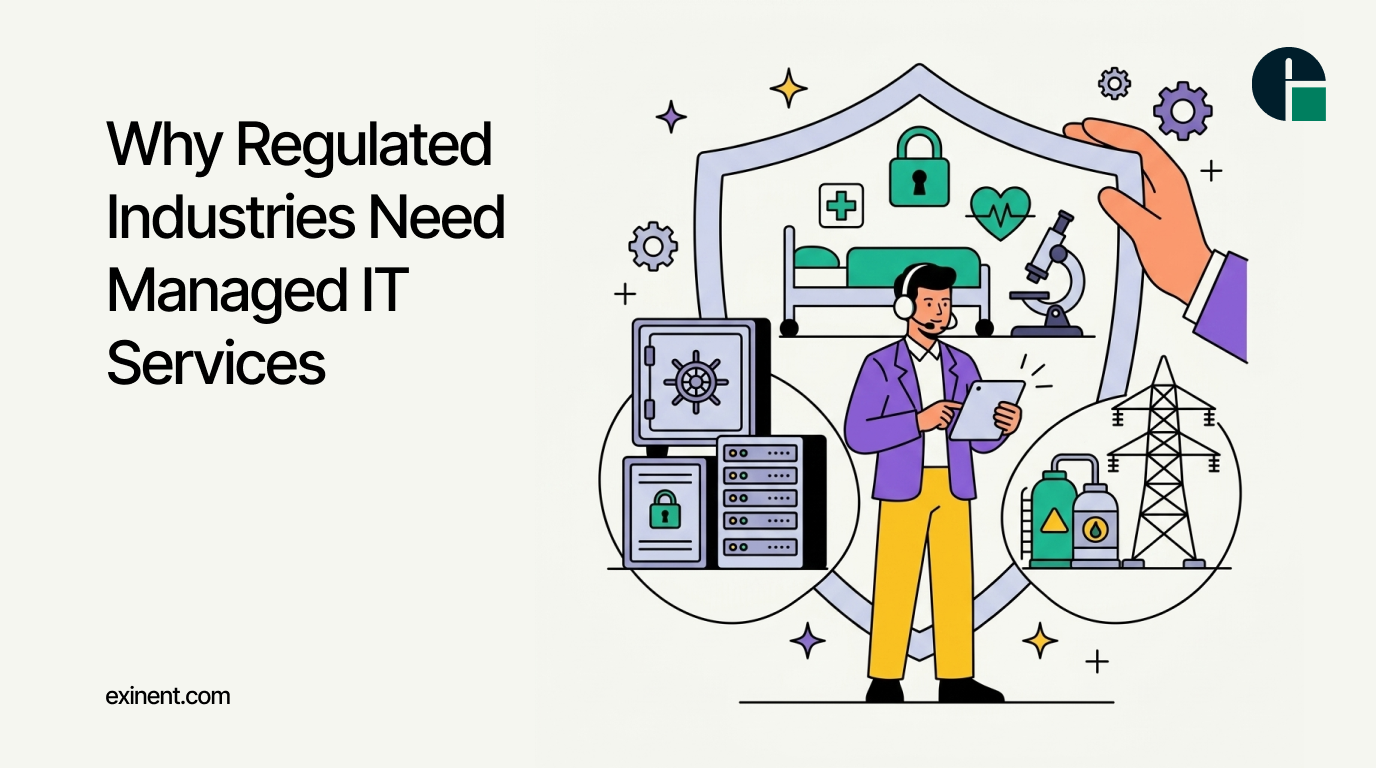
Organizations operating in regulated industries face unique challenges when it comes to managing technology, security, and compliance. Sectors such as healthcare, finance, insurance, legal services, manufacturing, and government agencies must adhere to strict regulations designed to protect sensitive information and maintain operational integrity. As technology environments become more complex, many organizations struggle to keep up with evolving compliance requirements while maintaining secure and efficient IT systems.
This is why businesses in regulated industries increasingly rely on Managed IT Services to strengthen security, ensure compliance, reduce risks, and improve operational efficiency. By partnering with experienced IT professionals, organizations can focus on their core business objectives while maintaining confidence in their technology infrastructure.
Understanding the Challenges of Regulated Industries
Regulated industries handle highly sensitive data, including financial records, patient information, legal documents, intellectual property, and confidential customer data. Governments and regulatory bodies enforce strict standards to ensure that this information remains secure and accessible only to authorized users.
Some common regulations include:
- HIPAA for healthcare organizations
- PCI DSS for businesses handling payment card information
- SOX for publicly traded companies
- GDPR for organizations managing data of European Union citizens
- Industry-specific cybersecurity and data privacy requirements
Failure to comply with these regulations can result in significant fines, legal consequences, reputational damage, and loss of customer trust. Managing compliance internally can be challenging, especially for organizations with limited IT resources.
Also Read :
Managed IT Services vs In-House IT: Which Is Better?
Disaster Recovery Planning for Highly Regulated Businesses
How Managed IT Services Improve Network Security
Enhanced Security and Risk Management
Cybersecurity threats continue to evolve, and regulated industries are often prime targets for cybercriminals. Data breaches, ransomware attacks, phishing campaigns, and insider threats can have devastating consequences.
Managed IT service providers implement proactive security measures that help organizations stay protected. These measures may include:
- Advanced threat monitoring
- Endpoint protection
- Network security management
- Multi-factor authentication
- Vulnerability assessments
- Security awareness training
By continuously monitoring systems and identifying vulnerabilities before they become major issues, managed IT providers help reduce the likelihood of security incidents and compliance violations.
Supporting Compliance Requirements
One of the most valuable benefits of managed IT services is compliance support. Regulatory standards frequently change, making it difficult for internal teams to stay updated.
A trusted provider offering Managed IT Services can assist organizations with:
- Security policy implementation
- Compliance audits
- Documentation management
- Risk assessments
- Data protection strategies
- Access control management
These services help ensure that systems, processes, and policies align with industry regulations and best practices. Having expert guidance can significantly reduce compliance-related risks and audit preparation burdens.
Improved Data Protection and Backup Strategies
Data is one of the most valuable assets in any regulated industry. Loss of sensitive information can disrupt operations, trigger regulatory investigations, and damage customer confidence.
Managed IT providers implement comprehensive data protection strategies that include:
- Automated backups
- Disaster recovery planning
- Data encryption
- Secure cloud storage
- Business continuity solutions
These safeguards ensure that critical information remains protected and recoverable even during unexpected events such as cyberattacks, hardware failures, or natural disasters.
Access to Specialized Expertise
Many organizations struggle to recruit and retain highly skilled IT professionals with expertise in cybersecurity, compliance, cloud technologies, and infrastructure management.
Managed IT service providers offer access to experienced specialists who understand the unique requirements of regulated industries. Their expertise helps organizations navigate complex technical challenges while maintaining compliance and security standards.
This access to specialized knowledge allows businesses to benefit from enterprise-level IT support without the expense of building a large in-house IT department.
Proactive Monitoring and Maintenance
Traditional IT support often operates on a reactive model, addressing problems only after they occur. In regulated industries, downtime and security incidents can be extremely costly.
Managed IT services use proactive monitoring tools to identify potential issues before they impact operations. Continuous monitoring enables providers to:
- Detect unusual activity
- Resolve performance issues early
- Apply security patches promptly
- Monitor system health
- Reduce unexpected downtime
This proactive approach helps organizations maintain operational stability and regulatory compliance while minimizing disruptions.
Cost Predictability and Operational Efficiency
Managing IT internally can lead to unpredictable costs related to system failures, emergency support, security incidents, and compliance penalties.
Managed IT services typically operate under a predictable monthly pricing model, allowing organizations to budget more effectively. This approach helps reduce unexpected expenses while ensuring consistent access to technical support and expertise.
Additionally, managed service providers handle routine IT tasks, allowing internal teams to focus on strategic initiatives and business growth rather than day-to-day technology management.
Scalability for Growing Organizations
As regulated organizations grow, their IT requirements become more complex. Expanding operations often introduces new compliance obligations, security challenges, and infrastructure demands.
Managed IT services provide scalable solutions that can adapt to changing business needs. Whether an organization is adding new employees, opening additional locations, migrating to the cloud, or implementing new technologies, managed service providers can support growth while maintaining compliance and security standards.
Why Experience Matters
Selecting the right managed IT provider is critical for organizations operating in regulated environments. Businesses should look for providers with proven experience in compliance management, cybersecurity, cloud services, disaster recovery, and industry-specific regulations.
An experienced managed services partner understands the risks associated with regulated industries and can implement tailored solutions that align with both business objectives and compliance requirements.
Conclusion
Regulated industries face increasing pressure to maintain compliance, protect sensitive data, and defend against sophisticated cyber threats. Managing these responsibilities internally can be costly, complex, and resource-intensive.
Managed IT services provide the expertise, security, compliance support, and proactive management needed to navigate today’s challenging regulatory landscape. By partnering with a trusted managed services provider, organizations can strengthen security, reduce compliance risks, improve operational efficiency, and focus on delivering value to their customers.
As regulations continue to evolve and cyber threats become more advanced, managed IT services will remain a critical investment for organizations seeking long-term stability, security, and growth.