
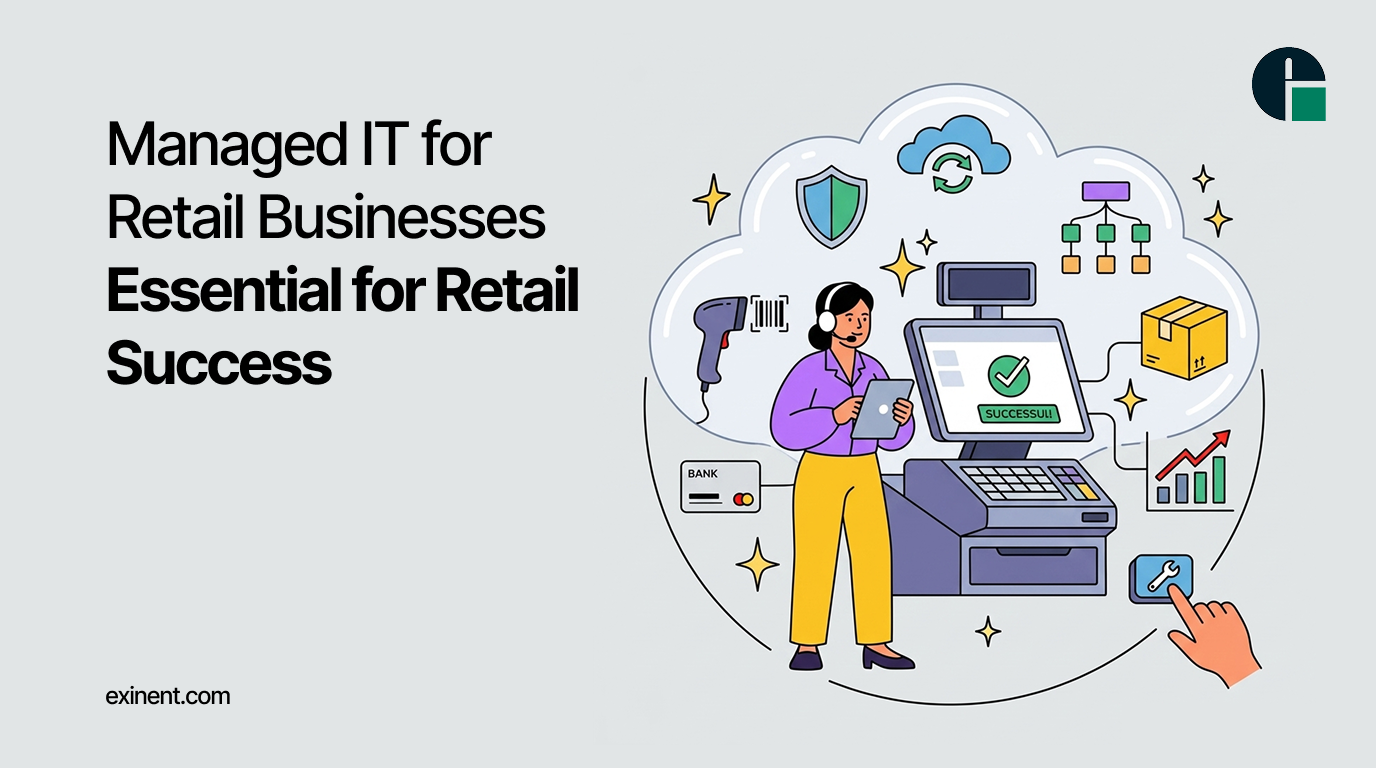
The retail industry has undergone a massive transformation over the past decade. From eCommerce platforms and mobile shopping apps to digital payment systems and inventory management software, technology now plays a critical role in every aspect of retail operations. As retailers continue to embrace digital transformation, managing IT infrastructure has become more complex than ever.
This is where Managed IT for Retail Businesses becomes a game-changer. By partnering with a trusted managed service provider (MSP), retailers can ensure their technology systems remain secure, efficient, and reliable while focusing on delivering exceptional customer experiences.
What Is Managed IT for Retail Businesses?
Managed IT services involve outsourcing the monitoring, management, maintenance, and support of a company’s IT infrastructure to a specialized provider. Instead of relying solely on an internal IT team, retailers gain access to a team of experts who proactively manage their technology environment. Managed IT services typically include network monitoring, cybersecurity, cloud management, help desk support, data backup, disaster recovery, and compliance management.
For retail businesses, this means ensuring that point-of-sale (POS) systems, inventory management platforms, eCommerce websites, and customer databases operate smoothly without interruptions.
Why Retail Businesses Need Managed IT Services
Retail businesses operate in a highly competitive environment where even a few minutes of downtime can result in lost sales and dissatisfied customers. Technology failures can impact payment processing, inventory tracking, online orders, and customer service operations.
Managed IT providers help retailers minimize these risks through proactive monitoring and maintenance. They identify potential issues before they become major problems, reducing downtime and improving operational efficiency. Retailers can also benefit from predictable IT costs and access to specialized expertise without the expense of maintaining a large in-house IT department.
Key Benefits of Managed IT for Retail Businesses
1. Enhanced Cybersecurity
Retail businesses handle sensitive customer information, including payment card data and personal details. This makes them attractive targets for cybercriminals. Cyberattacks, ransomware incidents, and phishing scams can have devastating consequences for retailers.
Managed IT providers implement advanced cybersecurity measures such as threat detection, firewall management, endpoint protection, and security monitoring. They also help retailers comply with industry standards and regulations, including PCI DSS requirements for payment security.
2. Reduced Downtime and Improved Reliability
Every minute of system downtime can lead to lost revenue and frustrated customers. Whether it’s a POS system failure or an eCommerce website outage, downtime directly impacts business performance.
Managed IT services provide 24/7 monitoring and proactive maintenance to ensure systems remain operational. Potential issues are identified and resolved before they disrupt retail operations, helping businesses maintain consistent service levels.
3. Scalability for Business Growth
Retail businesses often experience seasonal spikes in demand, expansion into new markets, or the addition of new sales channels. Managing IT infrastructure during periods of growth can be challenging.
Managed IT services offer scalable solutions that grow alongside the business. Whether adding new store locations, expanding cloud resources, or supporting increased online traffic, managed service providers ensure the IT environment can handle changing demands efficiently.
4. Cost Savings and Predictable Budgeting
Hiring, training, and retaining a full in-house IT team can be expensive. Managed IT services provide access to experienced professionals at a predictable monthly cost.
Retailers can avoid unexpected expenses associated with emergency repairs, system failures, and cybersecurity incidents. This predictable pricing model makes budgeting easier while ensuring access to enterprise-level IT support.
5. Focus on Core Business Activities
Retailers should focus on serving customers, improving products, and growing revenue—not troubleshooting technology issues.
By outsourcing IT management, retail teams can concentrate on strategic business objectives while technology experts handle system maintenance, software updates, and technical support. This improves overall productivity and allows employees to focus on delivering excellent customer experiences.
Essential Managed IT Services for Retail
Retail organizations require specialized IT support to address industry-specific challenges. Common managed IT services include:
- POS system monitoring and support
- Network management
- Cybersecurity and compliance services
- Cloud infrastructure management
- Data backup and disaster recovery
- Help desk and technical support
- Inventory management system support
- Multi-location IT management
- eCommerce platform maintenance
A comprehensive Managed IT Services provider can deliver these solutions under one umbrella, ensuring seamless integration and reliable performance across all retail operations.
Choosing the Right Managed IT Partner
Not all managed service providers are created equal. Retail businesses should look for a provider with proven experience in the retail industry, strong cybersecurity capabilities, proactive support models, and scalable service offerings.
Additionally, the provider should understand retail-specific technologies such as POS systems, inventory platforms, customer loyalty programs, and eCommerce integrations. Partnering with an experienced MSP ensures that technology supports business goals rather than becoming an obstacle.
For businesses looking to improve operational efficiency, security, and customer satisfaction, working with a trusted Managed IT Services provider can deliver significant long-term value.
Conclusion
Technology has become the backbone of modern retail operations. From processing transactions and managing inventory to supporting online shopping experiences, reliable IT systems are essential for success.
Managed IT for retail businesses provides the expertise, security, and support needed to keep operations running smoothly. By reducing downtime, strengthening cybersecurity, improving scalability, and lowering operational costs, managed IT services enable retailers to focus on growth and customer satisfaction.
As the retail industry continues to evolve, investing in professional Managed IT Services is no longer optional—it is a strategic necessity for businesses that want to remain competitive in a digital-first marketplace.
FAQ’S :
What is managed IT for retail businesses?
Managed IT for retail businesses is an outsourced service that handles technology management, support, security, and maintenance. It covers systems such as POS terminals, networks, cloud applications, inventory software, and customer data protection. Retailers use managed IT services to reduce downtime and improve operational efficiency.
How does managed IT support retail stores?
Managed IT providers monitor and maintain retail technology systems 24/7. They manage POS systems, Wi-Fi networks, cybersecurity, software updates, and data backups. This proactive approach helps prevent technical issues before they impact sales or customer service.
What are the benefits of managed IT services for retail businesses?
Managed IT services help retailers improve system reliability, strengthen security, and reduce unexpected IT costs. They also provide faster technical support and regular maintenance. As a result, retail businesses can focus on customer experience instead of technology problems.
Is managed IT worth it for small retail businesses?
Yes, managed IT can be cost-effective for small retailers because it provides access to IT experts without hiring a full in-house team. Monthly service plans are often more predictable than paying for emergency repairs. This helps small businesses control technology expenses.
How much do managed IT services for retail stores cost?
The cost depends on the number of locations, devices, and services required. Small retail businesses may pay a few hundred dollars per month, while larger retailers with multiple stores typically invest more. Pricing often includes monitoring, support, security, and maintenance.
How does managed IT improve retail cybersecurity?
Managed IT providers implement firewalls, endpoint protection, multi-factor authentication, and regular security updates. They also monitor systems for suspicious activity and respond to threats quickly. These measures help protect customer payment information and business data from cyberattacks.
Can managed IT services help prevent retail downtime?
Yes, managed IT services use proactive monitoring to detect and fix issues before they cause outages. Regular maintenance, backup systems, and rapid support reduce the risk of POS failures and network disruptions. Less downtime means fewer lost sales opportunities.
What technologies do managed IT providers manage for retailers?
Managed IT providers commonly support POS systems, inventory management software, cloud platforms, security cameras, payment systems, and store networks. They may also manage employee devices and remote access solutions. This ensures all retail technology works together efficiently.
What should retailers look for in a managed IT provider?
Retailers should choose a provider with retail industry experience, 24/7 support, cybersecurity expertise, and clear service level agreements (SLAs). It’s also important to verify their response times and backup capabilities. A reliable provider should support both current and future technology needs.
What are the risks of not using managed IT services in retail?
Without managed IT services, retailers may face longer downtime, increased cybersecurity risks, and higher repair costs. Unmanaged systems can lead to software failures, data breaches, and poor customer experiences. These issues can directly affect revenue and business reputation.